
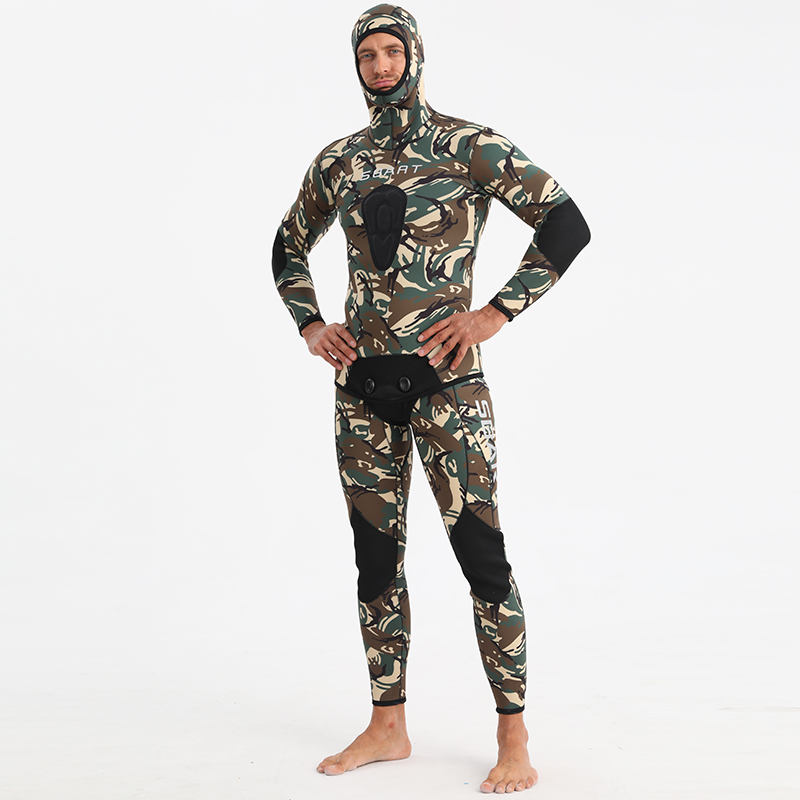
In the water sports market, the material of a wetsuit is crucial to its functionality. When selecting a wetsuit supplier for your B2B business, it’s important to consider insulation, durability, and flexibility. This blog dives into the different types of materials commonly used in wetsuits, helping you offer the best products to your customers.
1. Neoprene Wetsuits: The Classic Choice
Neoprene is the most common material used in wetsuits, known for its excellent insulation and flexibility. Its key benefits include:
-
Excellent Thermal Insulation: Neoprene retains body heat, making it ideal for customers who spend long periods in cold water.
-
Flexibility: This material moves with the body, making it perfect for activities like surfing and diving, where mobility is crucial.
2. SCR vs. CR Materials: Understanding the Differences
In addition to neoprene, SCR (Styrene Chloroprene Rubber) and CR (Chloroprene Rubber) are also popular choices for wetsuits. SCR is a more affordable option used in recreational wetsuits, while CR is more durable and pressure-resistant, suitable for professional athletes.
-
SCR Benefits: SCR wetsuits are cost-effective, making them a great choice for casual water sports customers.
-
CR Benefits: CR is known for its superior performance, particularly in high-pressure environments like deep-sea diving, making it the ideal material for high-end users.
3. Eco-Friendly Wetsuits: Choosing Sustainable Materials
With the rise of environmental awareness, more customers are interested in eco-friendly wetsuits. Wetsuits made from recycled materials or featuring eco-friendly coatings are becoming increasingly popular in the market.