The global water sports equipment market is entering a new growth phase. Between 2026 and 2027, increasing outdoor participation, rising health awareness, and expanding coastal tourism will continue to push demand for high-performance wetsuits, rash guards, life vests, and functional swimwear.
For wholesalers, distributors, and private label brands, this is the right time to reassess product strategies and sourcing models.
This article provides a practical B2B framework for selecting the right products, suppliers, and OEM partners in the next two years.
1. What Is Driving B2B Demand in 2026–2027?
Three major forces are reshaping the wholesale water sports industry:
• Diversified End Users
Demand is no longer limited to professional divers or surfers. Fitness swimmers, triathletes, fishing enthusiasts, diving clubs, resorts, and rental operators all require specialized equipment with different price points.
• Performance-Driven Purchasing
Wholesale buyers are focusing on:
-
Thermal insulation performance
-
Stretch recovery rate
-
Seam construction methods (GBS, blind stitch, liquid seam)
-
Buoyancy distribution for triathlon wetsuits
Performance is now a sales driver, not just a technical feature.
• Supply Chain Reliability
B2B buyers increasingly prefer factories with stable production capacity, consistent material sourcing, and clear QC systems to avoid delivery risk.
2. Product Categories with Highest Growth Potential
High-Performance Wetsuits
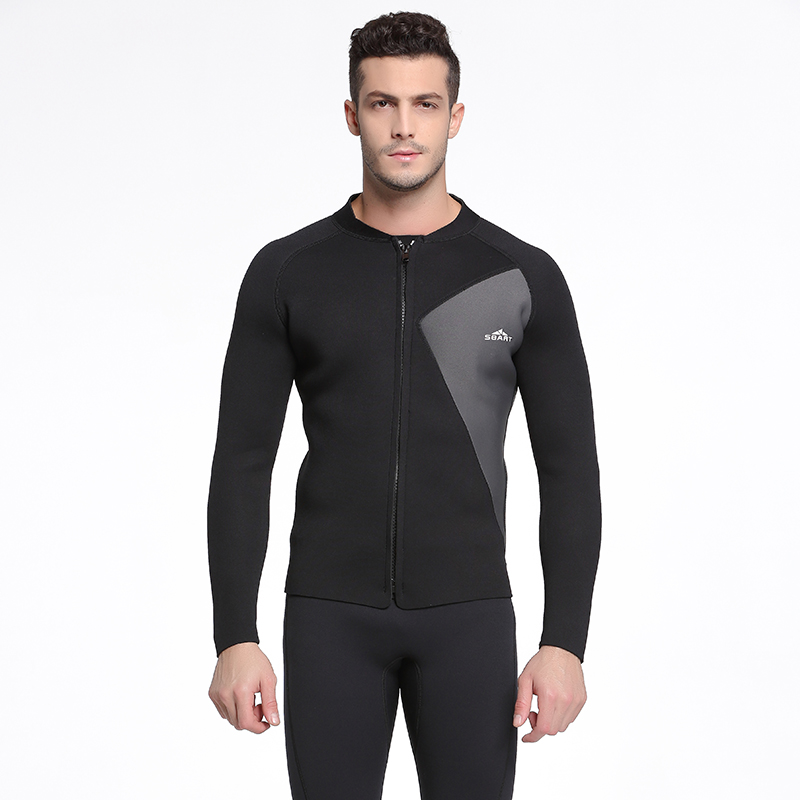
Triathlon wetsuits, cold-water wetsuits, and shorty wetsuits are showing continuous growth. Buyers should prioritize factories that control:
-
Neoprene lamination quality
-
Thickness tolerance
-
Pattern engineering for muscle compression
Rash Guards & Functional Swimwear
Rash guards and UV fishing shirts are becoming year-round products instead of seasonal items. Features such as UPF50+, anti-pilling fabric, and flatlock seams are now standard requirements.
Safety & Accessories
Life vests, neoprene boots, gloves, mask strap covers, and thermal hoods are key add-on products that increase average order value.
3. Sustainable Materials Are Becoming a Core Requirement
Major buyers in North America and Europe are requesting:
-
Limestone-based neoprene alternatives
-
Recycled polyester linings
-
Low-VOC adhesives
-
Water-based printing processes
OEM manufacturers able to provide traceable eco-material options gain strong competitive advantage in 2026–2027 sourcing negotiations.
4. OEM / Private Label Capabilities That Matter Most
When selecting a wetsuit OEM factory, B2B buyers should evaluate:
| Capability | Why It Matters |
|---|---|
| Low MOQ sampling | Faster product testing |
| Flexible pattern development | Supports multiple brand segments |
| Custom logo printing & packaging | Enables private label strategy |
| In-house design team | Reduces development cycles |
| Multi-language QC documentation | Required for EU & US import compliance |
Customization is no longer a value-added service — it is a baseline expectation.
5. Regional Wholesale Strategy
| Region | Key Buying Focus |
|---|---|
| North America | Performance, brand differentiation, compliance |
| Europe | Sustainability, certifications, material traceability |
| Asia-Pacific | Cost efficiency, scalable production |
| South America | Entry-level wetsuits, fishing wear, fast delivery |
Understanding these differences allows wholesalers to structure profitable multi-market product portfolios.
6. How to Optimize Your Wholesale Procurement Strategy
To stay competitive through 2027, B2B buyers should:
-
Build dual-source supplier structures
-
Secure annual pricing agreements with OEM factories
-
Balance hero products with accessory bundles
-
Digitize order management to shorten procurement cycles
Factories with integrated design, development, production, and QC systems will be your most reliable long-term partners.
Final Thoughts
The 2026–2027 water sports equipment market is not just growing — it is evolving.
Success for wholesalers and brand owners will depend on selecting the right wetsuit OEM manufacturer, building private label capabilities, and responding quickly to material and performance trends.
If your goal is to expand your water sports product line with stable quality and scalable customization, now is the time to align with a professional B2B wetsuit supplier.