
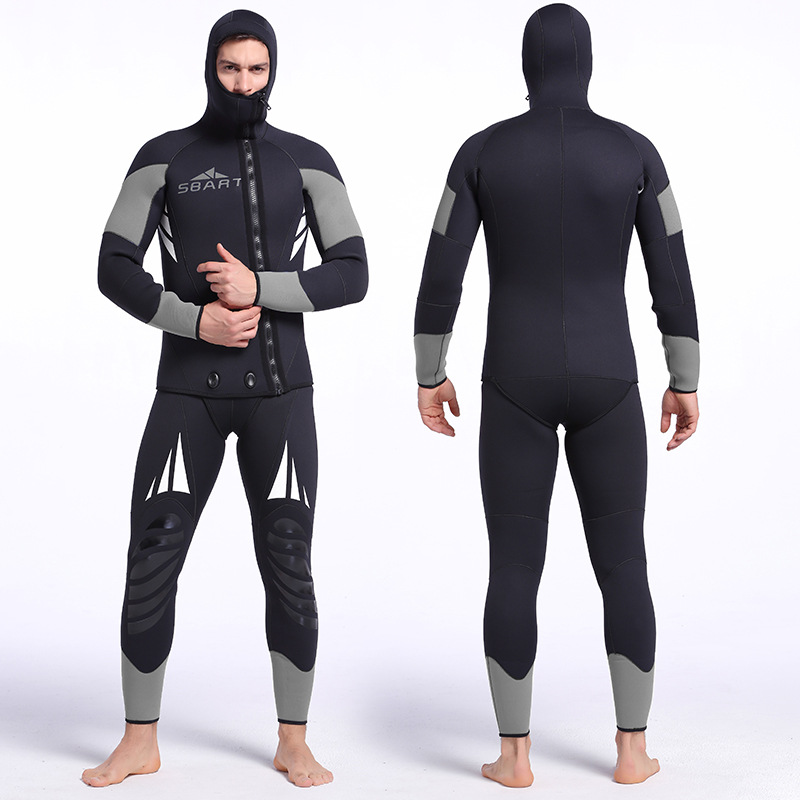
1. Rinse Your Wetsuit After Every Dive
One of the most important steps in wetsuit care is rinsing it thoroughly with fresh, cool water immediately after every dive. Saltwater, chlorine, and sand can degrade the material over time, affecting its flexibility and insulation properties. Avoid using hot water, as it can damage the neoprene and reduce the wetsuit’s elasticity.
- Tip: Pay special attention to seams, zippers, and areas where sand or debris can accumulate. A good rinse will help remove these particles and prevent odor build-up.
2. Use Mild Soap for Deeper Cleans
Occasionally, clean your wetsuit with a mild, wetsuit-specific detergent to remove oils, sweat, and other residues that a simple rinse might not eliminate. Avoid harsh chemicals, bleach, or strong detergents, as these can damage the neoprene and weaken the material.
- How to Clean: Fill a tub with cool water, add the recommended amount of wetsuit cleaner, and gently hand wash your wetsuit inside and out. Let it soak for a few minutes before rinsing thoroughly.
3. Dry Your Wetsuit Properly
Proper drying is critical to preventing mildew and maintaining the flexibility of your wetsuit. After rinsing, turn your wetsuit inside out and hang it on a wide, padded hanger in a well-ventilated, shaded area. Avoid direct sunlight, as UV rays can damage the neoprene and cause it to lose elasticity over time.
- Tip: Never wring out your wetsuit, as twisting it can tear the seams. Instead, let it drip dry naturally.
4. Store Your Wetsuit Correctly
Storing your wetsuit properly is essential to prevent creases, cracks, and material degradation. Avoid folding your wetsuit, as this can cause permanent creases in the neoprene. Instead, hang it on a thick, non-metallic hanger in a cool, dry place. If you must fold it, roll it loosely to prevent damage.
- Ideal Storage Conditions: A dry, cool environment away from direct sunlight, heat sources, and sharp objects that could puncture the material.
5. Handle Your Wetsuit with Care
When putting on or taking off your wetsuit, do so gently to avoid tearing the material. Use your fingertips instead of nails to pull on the wetsuit, especially around sensitive areas like zippers and seams. If you’re struggling to put it on, use a wetsuit lubricant specifically designed for neoprene to help slide it on smoothly.
- Additional Tip: Be cautious of sharp objects or rough surfaces when diving or preparing your gear. Even small nicks and tears can worsen over time if not promptly addressed.
6. Repair Minor Damage Promptly
Small tears or holes in your wetsuit can expand if not repaired quickly. Keep a neoprene repair kit on hand to fix minor damage immediately. Applying a small amount of wetsuit cement to tears can prevent them from spreading and help maintain the wetsuit’s insulation capabilities.
- Pro Tip: For more significant damage, consult a professional wetsuit repair service to ensure the job is done correctly.
7. Avoid Heat and Chemicals
Heat can severely damage neoprene, affecting your wetsuit’s performance and lifespan. Avoid leaving your wetsuit in a hot car, near heaters, or exposed to direct sunlight for extended periods. Additionally, avoid contact with chemicals like gasoline, oils, and solvents, which can break down the material.
Conclusion
Proper care and maintenance of your diving wetsuit are crucial to prolonging its life and keeping it in peak condition. By following these steps—rinsing after dives, using mild cleaners, drying properly, and storing correctly—you’ll ensure that your wetsuit remains flexible, comfortable, and effective for many dives to come. Treat your wetsuit with the respect it deserves, and it will reward you with warmth and protection on every underwater adventure.