
Wetsuits are essential for water sports enthusiasts, providing insulation, buoyancy, and protection. The quality and functionality of a wetsuit largely depend on the sewing techniques used in its construction. In this blog, we will analyze the most common sewing methods used in wetsuit manufacturing, discussing their advantages and how they relate to production costs.
1. Flatlock Stitching

Description:
Flatlock stitching involves sewing two pieces of neoprene edge-to-edge, with the stitches visible on both sides of the fabric. This technique results in a flat, non-bulky seam.
Advantages:
- Comfort: The flat seam lies flush against the skin, reducing chafing and improving comfort during prolonged use.
- Flexibility: This method allows for a high degree of flexibility, making it ideal for warmer water wetsuits where full range of motion is critical.
- Durability: Flatlock seams are strong and resistant to stretching and wear, suitable for high-motion activities.
Cost Implications:
- Lower Cost: Flatlock stitching is a relatively inexpensive method due to its straightforward process and use of basic sewing equipment. It does not require specialized adhesives or taping, making it a cost-effective choice for mid-range wetsuits.
- Limited Application: However, flatlock stitching is not suitable for cold-water wetsuits because it creates perforations in the neoprene, allowing water to seep through the seams. This trade-off between cost and thermal efficiency must be considered when selecting this technique.
2. Blind Stitching (Glued and Blind Stitched - GBS)
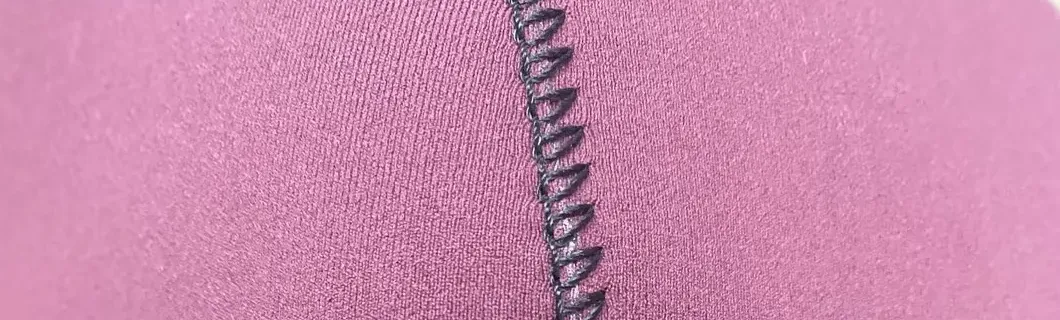
Description:
Blind stitching involves gluing the edges of the neoprene panels together and then sewing the seam without fully penetrating the fabric, keeping the interior and exterior surfaces intact.
Advantages:
- Waterproof Seams: The combination of gluing and stitching significantly reduces water entry, enhancing the wetsuit’s thermal insulation properties, which is crucial for cold-water diving.
- Increased Strength: The adhesive bond reinforces the seam, making it more resistant to tearing and abrasion.
Cost Implications:
- Moderate to High Cost: Blind stitching requires more time and precision, as the gluing process involves careful alignment and curing. The need for specialized sewing machines that do not penetrate the neoprene fully also adds to production costs.
- Value for Cold Water Use: Despite the higher cost, the enhanced warmth and durability make GBS an excellent investment for divers needing reliable performance in colder conditions.
3. Sealed Seams (Taped Seams)
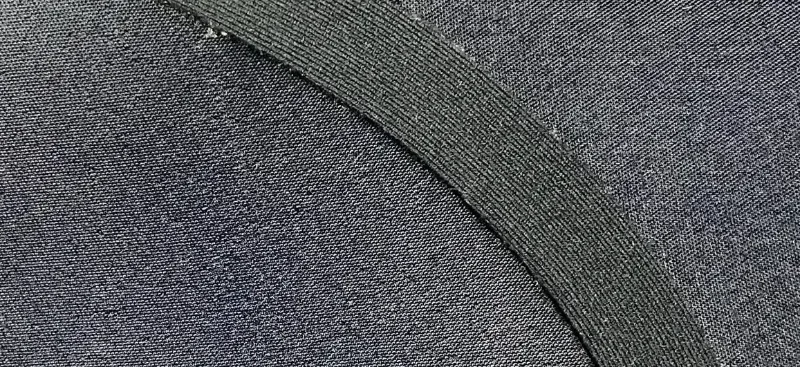
Description:
Sealed seams go a step further by applying a rubber or neoprene tape over glued and stitched seams, ensuring maximum waterproofing.
Advantages:
- Maximum Waterproofing: This method is the most effective at preventing water ingress, making it ideal for high-performance wetsuits used in extremely cold waters.
- Enhanced Durability: The tape reinforces the seam, significantly boosting the wetsuit’s lifespan and resistance to harsh underwater environments.
Cost Implications:
- High Cost: The added materials and labor required to apply seam tape contribute to a higher production cost. Each seam must be carefully taped and checked for adhesion, adding time and complexity to the manufacturing process.
- Premium Product Appeal: Despite the high cost, the superior thermal protection and durability offered by taped seams justify the price for serious divers and professionals.
4. Liquid Sealed Seams
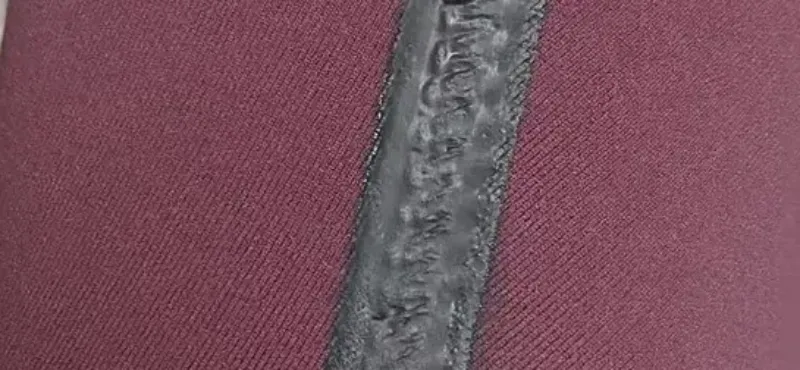
Description:
Liquid seam sealing involves applying a thin layer of liquid rubber over the seams, which then cures to form a flexible, watertight seal.
Advantages:
- Ultimate Waterproofing: Liquid sealing offers unparalleled water resistance, often used in conjunction with blind stitching for top-tier wetsuits.
- Enhanced Flexibility: The liquid seal maintains the neoprene’s flexibility, providing a comfortable and snug fit without compromising on waterproofing.
Cost Implications:
- Highest Cost: This technique is the most expensive due to the specialized equipment, materials, and additional labor involved in the application and curing process.
- Top Performance: The high cost aligns with the premium market, where users prioritize performance over price, such as competitive divers and those diving in the harshest conditions.
Conclusion
The choice of sewing technique in wetsuit manufacturing is a critical factor that directly impacts performance, comfort, and cost. While flatlock stitching offers an affordable option for warm water wetsuits, more advanced methods like blind stitching, taped seams, and liquid sealing provide increased water resistance and durability for colder environments at a higher cost. Understanding these trade-offs allows manufacturers and consumers alike to make informed decisions based on their specific needs and budget considerations.