The Complete Guide to Finding your Ideal Diving Suit: All You Need to Know
Introduction
Diving suits are an essential piece of equipment for any diver. They not only protect you from the elements but also provide buoyancy and insulation. Choosing the right diving suit can greatly enhance your diving experience. In this guide, we will explore everything you need to know about finding your ideal diving suit.
Types of Diving Suits
There are two main types of diving suits: wetsuits and drysuits.
Wetsuits
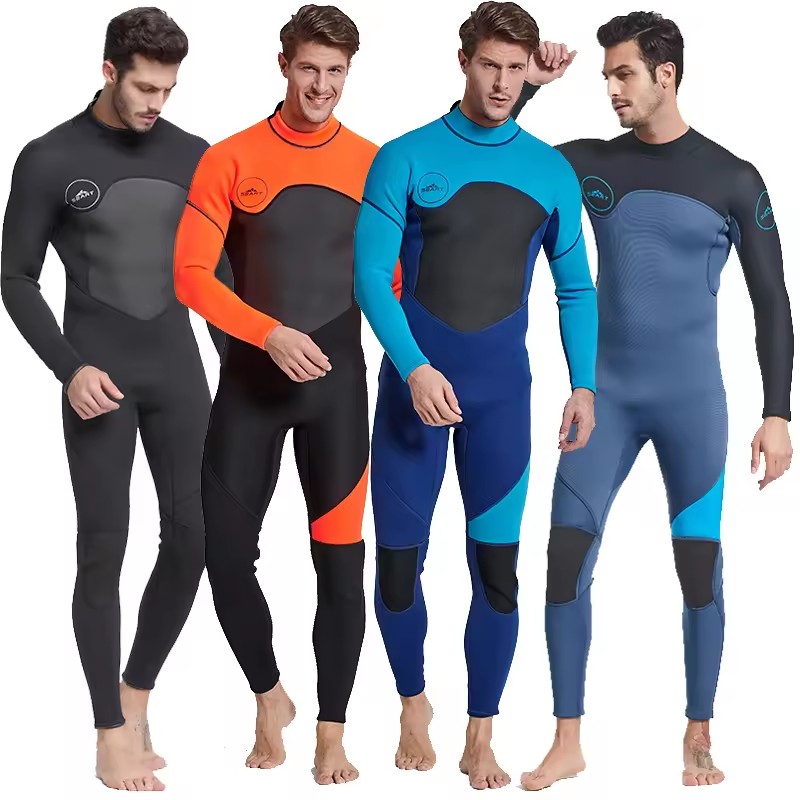
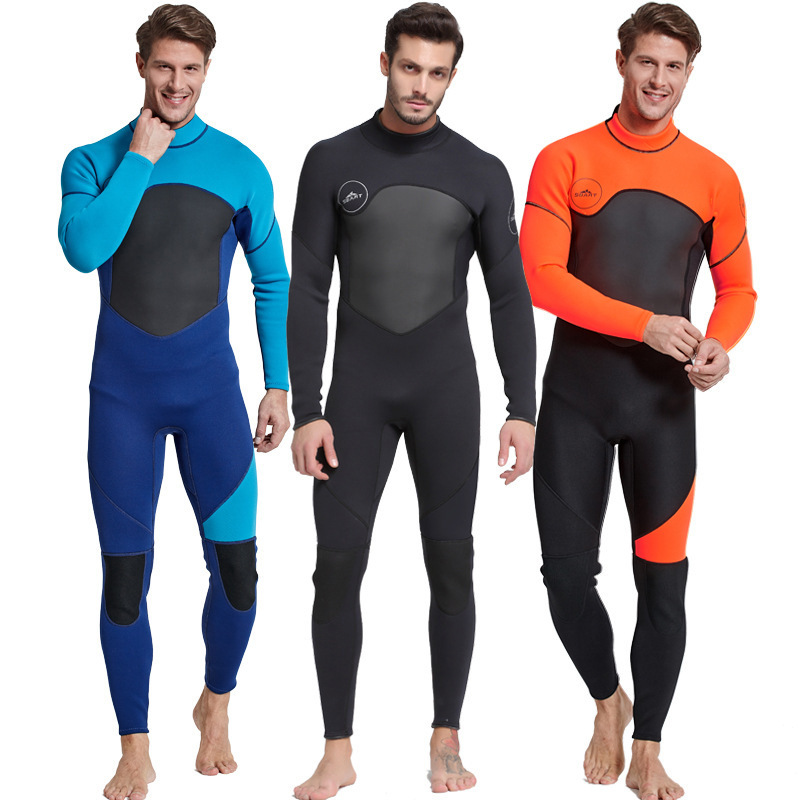
Wetsuits are the most common choice for recreational divers. They are made of neoprene, a synthetic rubber that provides insulation by trapping a thin layer of water between the suit and your skin. The thickness of the neoprene determines the level of insulation and is measured in millimeters. Thicker suits are suitable for colder waters, while thinner suits are better for warmer climates. Wetsuits come in various styles such as full suits, shorties, and spring suits.
Drysuits
Drysuits are designed for diving in cold water or for longer dive durations. Unlike wetsuits, drysuits are waterproof and do not allow water to enter. They are typically made of neoprene or a membrane material like GORE-TEX. Drysuits offer better insulation by allowing you to wear additional layers underneath. They are ideal for deep dives or diving in extreme temperatures.
Factors to Consider When Choosing a Diving Suit
When selecting a diving suit, several factors should be taken into account:
Water Temperature
The water temperature is one of the critical factors to consider when choosing a diving suit. In warmer waters, a thinner wetsuit will suffice, while colder temperatures require a thicker wetsuit or a drysuit with proper insulation.
Dive Duration and Depth
The duration and depth of your dives also play a role in selecting a diving suit. If you plan on longer dives or diving at greater depths, a drysuit may be more suitable for better insulation and extended comfort.
Type of Diving
Consider the type of diving you will be doing. Recreational diving may require a different suit than technical diving. Technical divers often prefer drysuits for their flexibility and ability to accommodate additional equipment.
Fit and Comfort
A well-fitting diving suit is crucial for comfort and the suit's effectiveness. The suit should be snug but not too tight, allowing for proper movement and flexibility. Ensure the suit is the right length and has the necessary adjustments for a secure fit.
Budget Considerations
Set a budget for your diving suit as prices can vary significantly. Remember to strike a balance between quality and cost to get the best value for your money.
Proper Fitting and Sizing
Proper fitting and sizing are essential for a comfortable and effective diving suit. Follow these steps to ensure a good fit:
Importance of a Proper Fit
A well-fitting suit minimizes water entry and helps maintain body temperature during your dive. It also prevents discomfort caused by a loose or tight suit.
How to Measure and Determine Sizing
Measure your body using a tailor's measuring tape to find the correct size. Pay attention to key measurements such as height, weight, chest, waist, and inseam. Compare these measurements to the sizing charts provided by manufacturers to find the most accurate fit.
Trying on and Adjusting the Suit
Before purchasing a diving suit, try it on to assess the fit and make necessary adjustments. Ensure the suit allows for ease of movement and doesn't restrict your range of motion.
Additional Features and Accessories
Consider additional features and accessories when selecting a diving suit:
Zippers and Seals
Look for robust zippers that are easy to manage underwater. Seals around the neck, wrists, and ankles should provide a watertight seal but still allow for comfort and flexibility.
Hood, Gloves, and Boots
Depending on the conditions you'll be diving in, a hood, gloves, and boots may be necessary to keep you warm and protect against cold water and potential injury.
Pockets and D-rings
Pockets and D-rings are handy for storing small accessories or attaching equipment like dive lights or underwater photography gear.
Integrated Weight Systems
Some diving suits come with integrated weight systems, eliminating the need for a weight belt. These can provide better buoyancy control and enhance your overall diving experience.
Maintenance and Care
Taking proper care of your diving suit helps prolong its lifespan and ensures optimal performance:
Cleaning and Drying
Rinse your diving suit thoroughly with freshwater after each dive to remove salt and debris. Hang the suit to dry away from direct sunlight to prevent damage to the material.
Storage Recommendations
Store your diving suit in a cool, dry place away from direct sunlight. Avoid folding or compressing it as this can cause creases or permanent damage.
Repairing Small Damages
Repair small tears or damages immediately using patch kits designed specifically for diving suits. Following the manufacturer's instructions, ensure proper adhesion and sealing.
Tips for Buying a Diving Suit
Consider these tips when purchasing your diving suit:
Research and Read Reviews
Do your research and read reviews to learn about the experiences of other divers with different brands and models. This can help you make an informed decision.
Ask for Recommendations
Consult with experienced divers or seek recommendations from local dive shops for insights and advice on suit selection.
Try Before You Buy
Whenever possible, try on the diving suit before buying it to ensure the fit, comfort, and functionality meet your expectations.
Conclusion
Finding the ideal diving suit is essential for comfort, safety, and enjoyment during your underwater adventures. Consider factors such as water temperature, dive duration, type of diving, fit, and budget when making your selection. With this complete guide, you are now equipped with the knowledge needed to find the perfect diving suit for your needs. Dive safely, comfortably, and have an incredible time exploring the underwater world!