
Introduction:
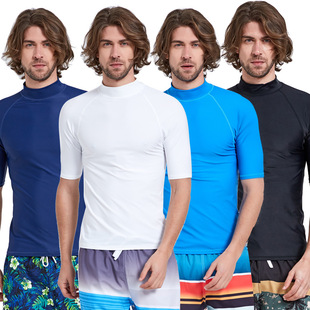
When it comes to water sports, rashguards are essential gear for ensuring both performance and protection. Whether you're surfing, paddleboarding, or snorkeling, choosing the right rashguard can make a significant difference. This article will cover the core benefits of wearing a rashguard, the fabric options available, and how different stitching methods affect comfort and durability. By the end, you'll have a clearer understanding of how to select the perfect rashguard for your needs, maximizing your experience in any water activity.
Key Benefits of Rashguards
-
Sun Protection
One of the most critical functions of a rashguard is protecting your skin from harmful UV rays. Rashguards often feature a UPF (Ultraviolet Protection Factor) rating, typically between 30 and 50+. This level of protection helps prevent sunburn and reduces the risk of skin cancer, especially during long hours in the sun. Whether you’re on a surfboard or a beach, a UPF-rated rashguard is an absolute must. -
Comfort and Flexibility
Rashguards are designed to fit snugly against the body while offering full freedom of movement. This tight fit helps prevent the garment from moving out of place during active sports, ensuring that you stay comfortable and protected at all times. Whether you're surfing or swimming, the flexibility of a rashguard allows you to focus on your performance without worrying about irritation or discomfort. -
Chafing and Rubbing Prevention
The term “rashguard” comes from its primary function—guarding against rashes caused by wetsuit chafing or skin rubbing against rough surfaces like surfboards. The smooth, stretchy fabric acts as a barrier, reducing the chances of skin irritation. This is especially important for surfers and divers who spend extended periods in saltwater, where friction can be more pronounced. -
Thermal Protection
Some rashguards offer additional thermal protection, helping to maintain body temperature in colder water. While they won’t replace a wetsuit, thermal rashguards provide an extra layer of warmth, especially in cool conditions or early mornings when the water is chilly. -
Quick-Drying and Breathability
High-quality rashguards are designed to dry quickly, preventing the damp, uncomfortable feeling that can occur after getting out of the water. They also offer breathability, ensuring that your skin remains cool and dry even when you're exerting yourself during water sports.
Best Fabrics for Rashguards
-
Polyester
Polyester is a go-to material for many rashguards because it offers a combination of durability, moisture-wicking properties, and UV resistance. It's highly resistant to shrinking and stretching, making it an excellent choice for both casual beachgoers and athletes. -
Nylon
Nylon is another popular fabric used in rashguards, known for its smooth texture and elasticity. Nylon rashguards tend to fit more snugly and provide excellent mobility. However, they might not offer the same level of UV protection as polyester, unless specifically treated. -
Spandex/Elastane Blends
To increase flexibility and stretch, many rashguards incorporate spandex or elastane in their fabric blend. This gives the rashguard the ability to conform to the body while allowing for maximum range of motion. A rashguard with a high spandex content ensures you remain comfortable and unrestricted during vigorous activities. -
Recycled Fabrics
For those looking for eco-friendly options, rashguards made from recycled materials are increasingly available. These sustainable options offer the same performance as traditional fabrics but reduce the environmental impact, making them a great choice for environmentally conscious consumers.
Sewing and Construction Techniques
-
Flatlock Stitching
Flatlock stitching is the most common and preferred method for rashguard construction because it lays flat against the skin, reducing friction and chafing. This type of seam is durable and comfortable, making it ideal for any water sports activity that involves prolonged wear. -
Overlock Stitching
Overlock stitching is another option, although it is typically less common in high-end rashguards. While it provides durability, it may cause slight discomfort compared to flatlock stitching, especially during extended use. Overlock seams are often found on budget-friendly rashguards. -
Blind Stitching
Blind stitching is used for more advanced rashguards that require both durability and comfort. This technique hides the seams inside the fabric, reducing irritation. Blind-stitched rashguards are often chosen by professional athletes who require maximum comfort during long training sessions or competitions.
Choosing the Right Rashguard for Your Needs
When choosing a rashguard, it’s important to consider your specific needs and the activities you’ll be engaging in. Here are a few factors to keep in mind:
-
Activity Level
For high-impact sports like surfing or wakeboarding, opt for a snug-fitting rashguard with spandex or elastane for maximum flexibility. If you're looking for more casual protection during snorkeling or swimming, a looser fit with polyester fabric might be more comfortable. -
UV Protection
If you plan to spend long hours in the sun, prioritize rashguards with a high UPF rating. UPF 50+ offers the best protection and is essential for avoiding sun damage during extended outdoor activities. -
Thermal Needs
In colder water conditions, consider rashguards with thermal properties. These thicker rashguards provide extra warmth without the bulk of a wetsuit. If you're in tropical climates, opt for lightweight, quick-drying fabrics that will keep you cool. -
Design and Aesthetics
The design of a rashguard can be important for both branding and personal style. Custom printing options, including sublimation and screen printing, allow for vibrant colors and logos that won’t fade or crack over time. Whether you're part of a water sports team or just want a unique look, choosing the right printing technique ensures your rashguard remains stylish and professional.
Conclusion
Rashguards are an indispensable part of any water sports wardrobe, offering a range of benefits from sun protection to thermal insulation. By understanding the different fabric options, stitching methods, and key features, you can select the perfect rashguard to meet your specific needs. A well-constructed rashguard not only enhances your performance but also ensures comfort and durability, making every water sports experience more enjoyable.