
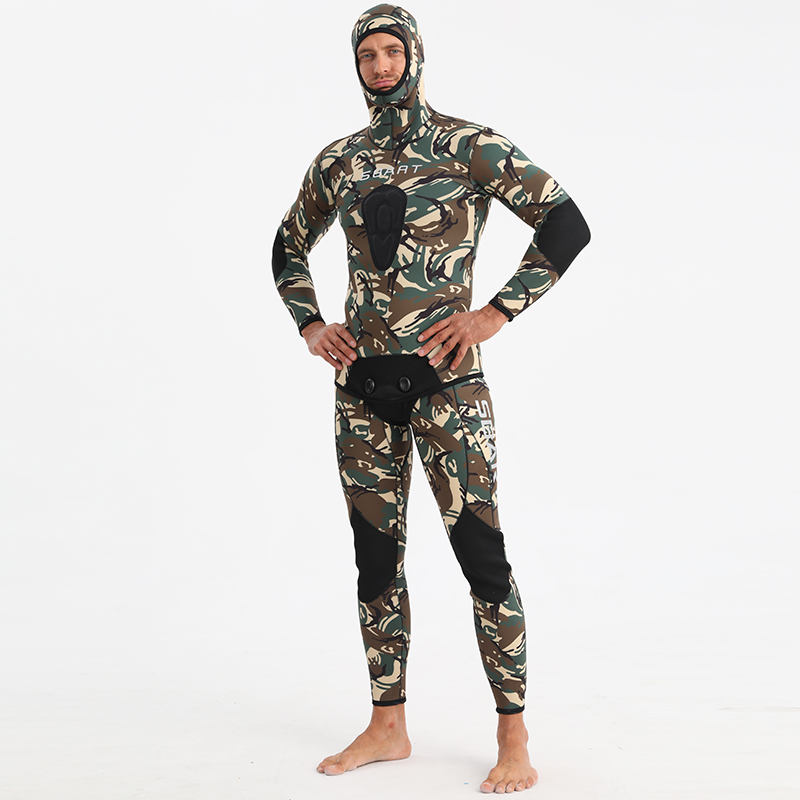
When it comes to water sports and diving, choosing the right suit can significantly impact your experience. The two main options are dry suits and wet suits. Both have distinct features and are designed for specific conditions. In this article, we’ll dive into their differences and help you decide which one suits your needs best.
What Is a Wetsuit?
A wetsuit is made from neoprene, a type of synthetic rubber that traps a thin layer of water between your body and the suit. This water warms up with your body heat, creating an insulating layer to keep you warm in cool waters.
Key Features of Wetsuits:
-
Thickness: Wetsuits come in varying thicknesses, typically between 2mm and 7mm. Thicker wetsuits provide more insulation for colder waters.
-
Flexibility: Neoprene’s elasticity allows for greater mobility, making wetsuits ideal for activities requiring a wide range of motion, such as surfing and snorkeling.
-
Cost: Generally, wetsuits are more affordable than dry suits, making them a popular choice for casual water sports enthusiasts.
Best Use Cases for Wetsuits:
-
Moderate to warm water temperatures (50°F to 85°F).
-
Activities like surfing, swimming, and recreational diving.
What Is a Dry Suit?
Unlike wetsuits, dry suits are designed to keep you completely dry. They are made with waterproof materials such as nylon or trilaminate and feature rubber seals around the neck, wrists, and ankles to prevent water entry.
Key Features of Dry Suits:
-
Thermal Layers: Dry suits allow you to wear insulating layers underneath, providing greater warmth for extremely cold environments.
-
Waterproofing: They are 100% waterproof, making them suitable for prolonged exposure to cold water.
-
Durability: Dry suits are built to withstand harsh conditions, often with reinforced seams and thicker materials.
Best Use Cases for Dry Suits:
-
Cold water diving (below 50°F).
-
Ice diving, technical diving, and water rescue operations.
-
Extended underwater activities requiring thermal protection.
Comparing Key Differences
| Feature | Wetsuit | Dry Suit |
|---|---|---|
| Waterproofing | Partial (water enters but warms up) | Complete (no water entry) |
| Thermal Insulation | Moderate | High (with layered clothing) |
| Mobility | Excellent | Moderate |
| Cost | Affordable | Expensive |
| Maintenance | Easy | Requires more upkeep |
How to Choose the Right Suit
Your choice depends on the environment and the type of activity you’re engaging in:
-
Temperature: For warm to moderate water temperatures, a wetsuit is usually sufficient. For cold water diving, a dry suit is essential.
-
Activity Duration: If you’ll be in the water for extended periods, a dry suit offers better thermal protection.
-
Budget: If cost is a major factor, wetsuits are more budget-friendly and widely available.
-
Skill Level: Beginners often find wetsuits easier to use due to their simplicity, while dry suits may require additional training.
SBART’s Recommendation
At SBART, we offer a range of wetsuits and dry suits tailored to meet the diverse needs of water sports enthusiasts and professionals. Our wetsuits feature advanced neoprene technology for superior flexibility and insulation. For cold water adventurers, our dry suits are designed with durability and comfort in mind.
Explore our collection today and find the perfect gear for your next adventure. Whether you’re diving into tropical waters or exploring icy depths, SBART has you covered.