
Introduction:
As outdoor water sports become more popular, the importance of sun protection continues to rise. Rashguards have become an essential piece of equipment, not only for preventing skin irritation but also for protecting against harmful UV radiation. The key to choosing the right rashguard is understanding UPF ratings and selecting the style that fits your needs. This guide will walk you through the basics of UPF protection, and help you decide between tight or loose fits, long or short sleeves, and different fabric options for maximum comfort and safety.
Understanding UPF Ratings
-
What is UPF?
UPF, or Ultraviolet Protection Factor, is a rating system that measures the effectiveness of fabrics in blocking ultraviolet (UV) rays. It’s similar to SPF (Sun Protection Factor), but while SPF is used for sunscreen, UPF applies to clothing. A higher UPF rating means better sun protection. -
Why UPF Matters in Rashguards
Since rashguards are commonly worn during water sports like surfing, swimming, or paddleboarding, which typically involve prolonged sun exposure, it’s crucial that they offer solid UV protection. Most quality rashguards will have a UPF rating of 30, 40, or 50+, meaning they block at least 97% of UV rays. UPF 50+ rashguards are considered the gold standard for protecting your skin from sunburn and long-term UV damage -
Rashguards vs. Sunscreen
While sunscreen needs to be reapplied every few hours (especially in water), rashguards provide consistent protection. A UPF-rated rashguard ensures your skin is shielded for as long as you’re wearing it. This makes rashguards a much more reliable option for long water sessions, especially for children or people with sensitive skin.
Choosing the Right Rashguard Fit and Style
-
Tight-Fitting vs. Loose-Fitting Rashguards
Rashguards come in both form-fitting and loose-fitting styles, and the choice depends largely on your activity and comfort preference.-
Tight-Fitting Rashguards: These are more common among surfers and divers, where a snug fit prevents the fabric from riding up or creating drag in the water. A tighter rashguard also minimizes the chance of chafing, offering better mobility and less water resistance(
-
Loose-Fitting Rashguards: Swimmers or casual beachgoers might prefer a loose-fitting rashguard for comfort. These provide the same UPF protection without clinging to the body, which can be more comfortable for leisurely water activities
-
-
Long-Sleeve vs. Short-Sleeve Rashguards
The choice between long-sleeve and short-sleeve depends on the amount of sun protection you need and your personal comfort in the water.-
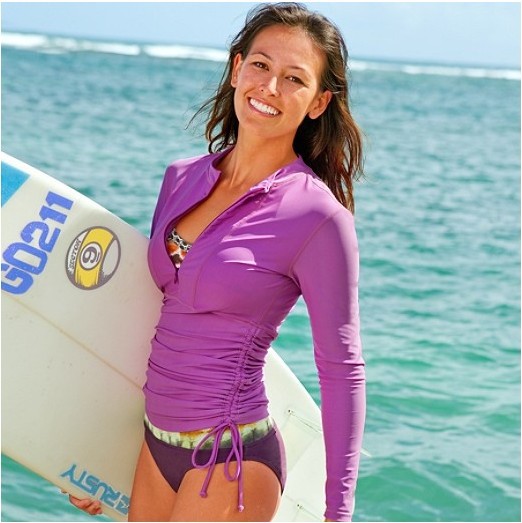
Long-Sleeve Rashguards: For maximum sun protection, long sleeves are the way to go. They cover your entire arm, which is particularly important for activities like surfing or kayaking, where your arms are exposed to the sun for extended periods. This style is also a great option for those with sensitive skin or a history of sunburns
-
Short-Sleeve Rashguards: These are ideal for those who want sun protection for their torso but prefer greater freedom of movement for their arms. Short sleeves are generally more breathable and lightweight, making them a popular choice for swimming or casual beach outings
-
-
Fabric and Comfort
The fabric of your rashguard can greatly affect both its performance and comfort. Look for polyester or nylon blends with added spandex for stretch. These materials not only provide durability and flexibility but also quick-drying properties, which are essential for staying comfortable in and out of the water. Additionally, some rashguards are made from eco-friendly materials, such as recycled polyester, which offer the same level of performance while reducing environmental impact(
Maximizing Sun Protection with Your Rashguard
-
Pairing with Sunscreen
While rashguards provide excellent protection, it’s still important to apply sunscreen to any exposed areas, such as the neck, face, and legs. A combination of high-quality UPF clothing and a broad-spectrum sunscreen will ensure full coverage against UV rays. -
Layering with Wetsuits
If you're engaging in activities in cooler waters, you can wear your rashguard under a wetsuit. This not only helps prevent chafing but also offers an extra layer of sun protection when you take your wetsuit off during breaks
Conclusion
A rashguard is more than just a piece of water sports apparel; it’s an essential tool for sun protection and skin safety. By choosing a rashguard with a high UPF rating and the right fit and style, you can ensure comfort and maximum protection during your water adventures. Whether you opt for a long-sleeve, tight-fitting rashguard for surfing or a loose, short-sleeve version for beach lounging, you’ll be well-equipped to face the sun with confidence.