
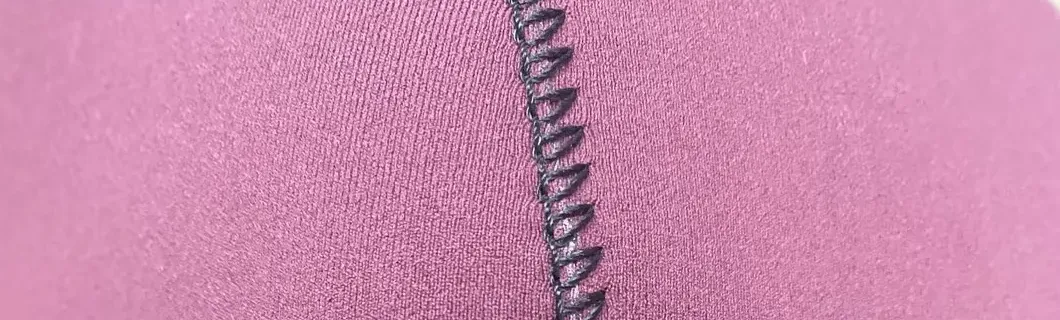
The seam sealing technique in wetsuit construction plays a significant role in its waterproofing, durability, and overall comfort. Depending on the diving conditions and requirements, selecting the appropriate sealing method can enhance the wetsuit’s performance. Here are some of the most common sealing techniques in wetsuits:
Glued Seams
Glued seams involve applying a waterproof adhesive to the edges of neoprene before stitching. This technique ensures that the wetsuit is fully sealed against water entry, making it ideal for cold water or deep diving. Glued seams are often paired with blind stitching to enhance durability. While more expensive, glued seams provide the highest level of waterproofing.
Liquid Sealed Seams
Liquid sealing involves applying a layer of liquid rubber to the seams for extra protection. This additional sealant not only prevents water from entering but also improves the overall durability of the seams, extending the lifespan of the wetsuit. Liquid sealed seams are commonly found in high-end wetsuits and are particularly useful for cold water diving.
Double Stitched Seams
Double stitching uses two rows of stitches to reinforce the seams. This method is not waterproof, making it suitable for warm water or high-activity wetsuits. Double stitched seams offer excellent durability and flexibility, but they are better suited for activities that don't require full waterproofing, such as surfing or snorkeling.
Choosing the Right Seam Sealing
Buyers should select a sealing technique based on their environment. For extreme cold water or prolonged exposure, liquid sealing and glued seams are the best options, while double stitching is more comfortable and durable for warm water activities.