
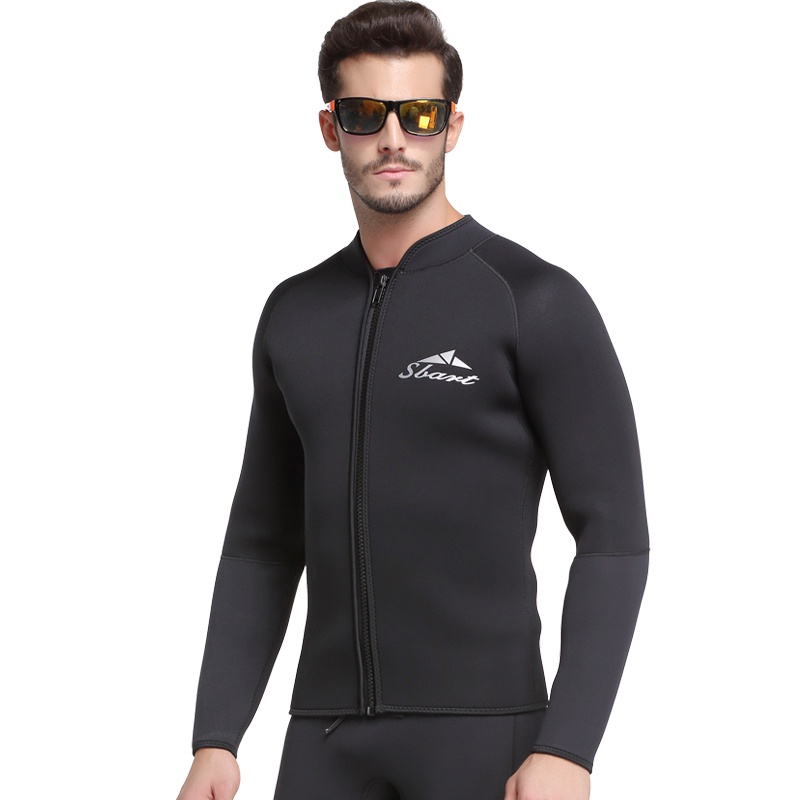
Two wetsuits can have identical thickness and appear nearly identical in product photos, yet perform very differently over a full season of use. The difference almost always comes down to material choices and construction quality — details that aren't visible in a listing but show up unmistakably in the field. Understanding these variables is the single most valuable thing a buyer or brand owner can know when sourcing wetsuits for their customers.
Neoprene Types, Linings, and What They Mean for Performance
Neoprene is not all the same. The two primary manufacturing approaches — limestone-based and petroleum-based — produce neoprene with meaningfully different performance characteristics. Limestone neoprene, which SBART uses across our premium product lines, tends toward more consistent cell density, better stretch recovery, and a lower environmental footprint.
Used for kayaking, paddleboarding, surfing, and warm-water diving. Antimicrobial linings reduce odor in multi-use scenarios.
For buyers and brands sourcing for U.S., UK, Australia, Canada markets: understand what your customers value. A surf-focused demographic in Australia will prioritize stretch and UV resistance; a commercial diving customer in the North Sea will prioritize thermal retention and durability over aesthetics. SBART's specification sheets distinguish these properties clearly so you can match the right product to the right customer segment.
Seam Construction: GBS, Flatlock, and Liquid-Taped Compared
The way a wetsuit's seams are constructed has a direct and measurable effect on warmth, durability, and comfort. Here's how the main types compare:
Flatlock seams: Panels are stitched together with a visible overlapping stitch. Comfortable, affordable, allows some water exchange — fine for warm water spring suits; inadequate for cooler water.
GBS (Glued and Blindstitched): Panels are glued first, then stitched only partway through for a smooth interior. Significantly warmer than flatlock; standard for quality cool-water wetsuits.
Liquid-taped / weld: A liquid sealant is applied to GBS seam junctions, filling the needle holes and creating a near-waterproof seal. Premium construction for cold-water and technical diving suits.
SBART specifies seam construction explicitly for every product in our range. Flatlock for comfort; glued for water resistance; some use compressive fit as sole seal
Zip Systems: Back, Front, Chest, and Zipless Compared
The entry system of a wetsuit affects three things: how easy it is to get on and off, how much water can flush through the entry point, and the overall range of motion around the shoulders and torso.
Back zip: Classic entry — easiest to get on, but the zipper creates a channel for water entry along the spine. Lower warmth retention.
Front zip: Horizontal or diagonal zipper across the chest. Better seal than back zip; common in dive wetsuits and mid-range surf suits.
Chest zip: Minimalist zip positioned at the shoulder/chest. Most popular in premium surf wetsuits. Lowest water entry, best flexibility, but hardest entry/exit. Pull-on compressive style; board short style with no seal.
Zipless: No zipper — relies on compression fit and material stretch to seal. Premium performance but requires precise sizing. Popular in high-end surf and triathlon wetsuits.
Sourcing Checklist: Questions to Ask Before Placing an Order
SBART works with hundreds of buyers and brands each year, and the buyers who get the best outcomes are the ones who ask these questions before committing to an order:
- What is the neoprene origin and grade? (Limestone vs. petroleum; cell structure consistency)
- What is the seam construction specification, and is this documented on the product spec sheet?
- What is the defect rate history for this product line?
- Can I receive a pre-production sample before the bulk order?
- What is the on-time delivery track record for my region?
- What is the return / claims process if the bulk product doesn't match the sample?
SBART answers all of these questions directly in our product documentation — we believe transparent sourcing relationships produce better long-term results for both parties.
SBART's Custom Wetsuit Manufacturing Capabilities
SBART operates dedicated production lines for the full range of watersports wetsuit and accessories, including Scuba Dry Suit configurations, Chest Zip Wetsuit product types, and specialty constructions for technical diving and professional watersports applications.
Our OEM/ODM service covers the complete process: specification development, material sourcing, sample production, bulk manufacturing, quality inspection, and packaging. Every step is documented and traceable — we provide QC reports with every shipment, not just on request.
For brands and retailers serving U.S., UK, Australia, Canada markets: we have established logistics channels and experience with U.S., UK, Australia, Canada import requirements. Our account team can walk you through the documentation and compliance requirements for your specific market.
Contact SBART to discuss your watersports product requirements. Tell us the Neoprene Shorts Mens or 6Mm Wetsuit specifications you're looking for — or describe your target customer, and our team will recommend the right starting configuration.
Sourcing Quality Wetsuits: Common Questions
- What's the defect rate to expect with neoprene shorts? With proper QC, SBART's defect rate on neoprene shorts is under 1%. Primary defect types to watch for: seam delamination in glued constructions and zipper failure on sealed styles. Our QC checklist addresses both.
- Can neoprene shorts be private-labeled? Yes — SBART offers full private-label service including waistband labels, inner tags, hang tags, and custom packaging for neoprene shorts orders above our standard MOQ.
- Should I stock lined or unlined neoprene shorts? Lined shorts provide warmth and a smoother exterior (easier to layer); unlined shorts look and feel more like casual board shorts. Lined versions tend to perform better in cooler water; unlined win on comfort and style.
- What are neoprene shorts most commonly used for? Kayaking, paddleboarding, warm-water surf sessions, and as a layer under dry suits for additional insulation. They're also popular in SUP yoga and for any watersports where full-suit thermal protection is excessive.