
-
Basic Functions of Wetsuits
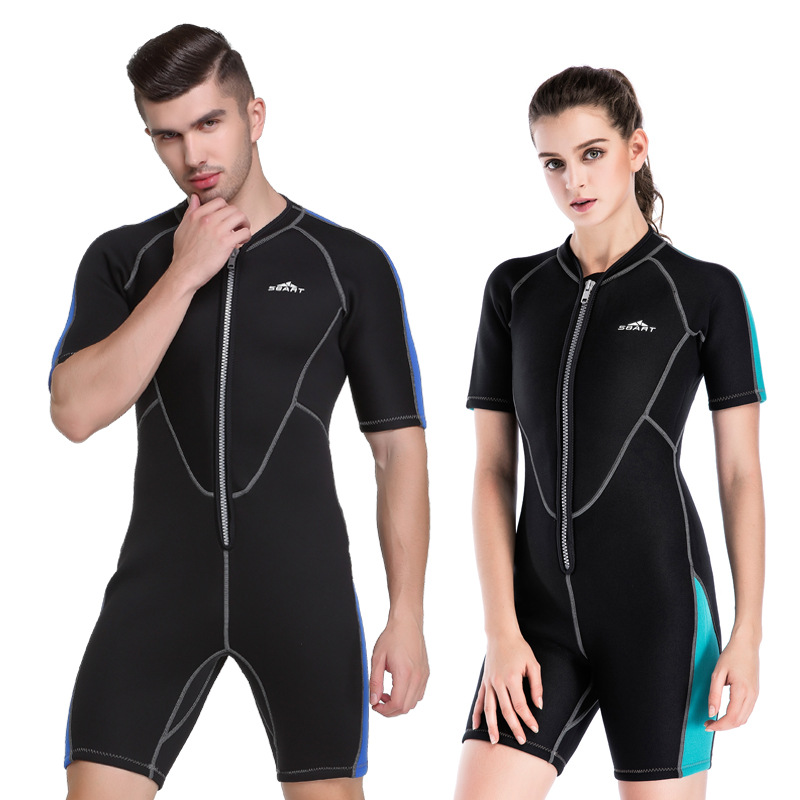
- Thermal Insulation: Wetsuits are designed to trap a thin layer of water between the suit and the skin. This water is warmed by the body heat, creating insulation that keeps divers warm in cooler waters.
- Protection: Wetsuits shield divers from marine life, sharp coral, and other potential hazards underwater, reducing the risk of cuts and stings.
-
Choosing the Right Wetsuit
- Thickness: Wetsuits come in different thicknesses, typically ranging from 1mm to 7mm. A thicker wetsuit is better suited for colder waters, while a thinner suit is ideal for warmer temperatures.
- Fit and Size: A well-fitted wetsuit is essential for effective insulation and comfort. It should fit snugly without restricting movement. Ensure you measure your body accurately before purchasing.
-
Applications in Diving
- Deep vs. Shallow Diving: Different dive depths can influence wetsuit choice. Deeper dives often require thicker suits due to colder temperatures at greater depths, while shallow dives may allow for lighter options.
- Environmental Factors: Factors such as water temperature, currents, and the presence of marine life can all impact the type of wetsuit needed. Always assess local conditions before diving.
-
Safety Tips
- Regular Maintenance: Check your wetsuit for wear and tear before each dive. Look for any holes, cracks, or damaged seams that could compromise insulation and safety.
- Understanding Dive Conditions: Familiarize yourself with the dive site conditions, including temperature and visibility, to ensure you're adequately prepared.
Wetsuits in Scuba Diving: Enhancing Comfort and Safety
2024년 9월 27일
·
Sbart
나누다
0개의 댓글