
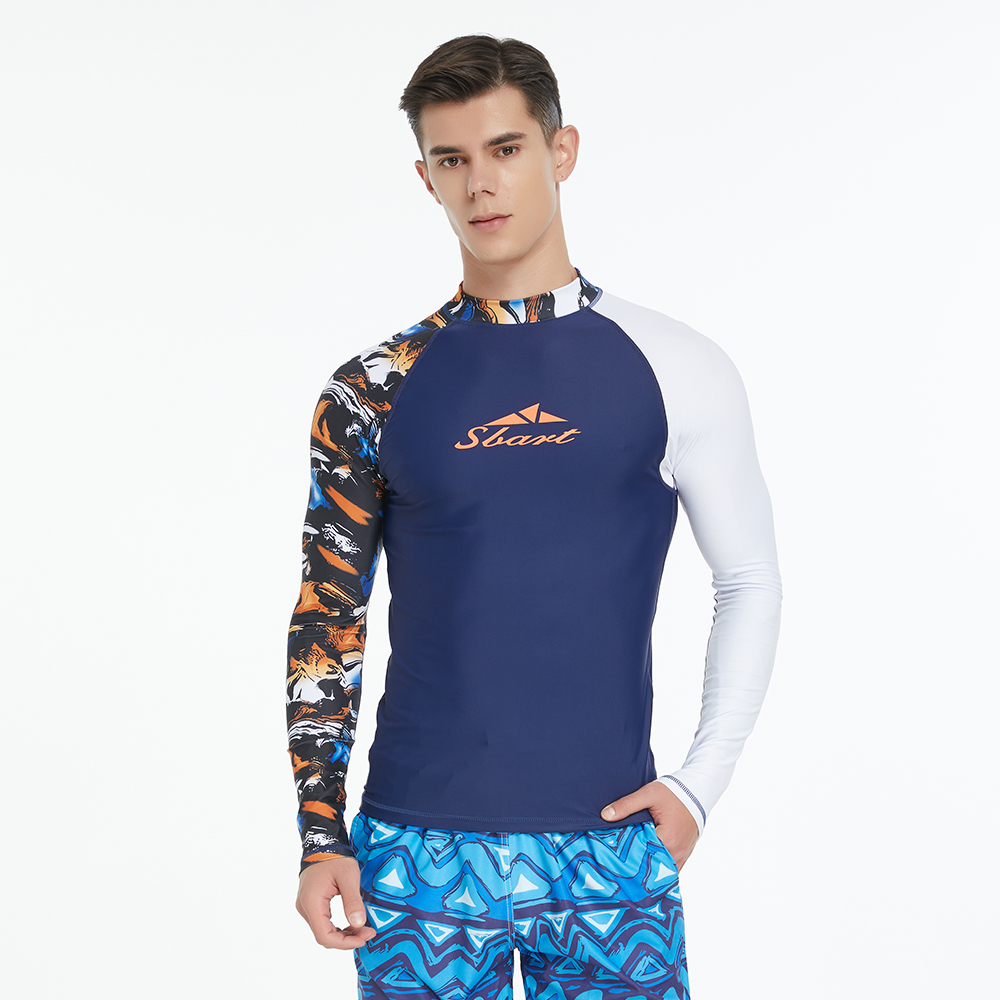
Rash guards, once primarily associated with surfers and divers, have become a staple in the global sportswear market. These versatile pieces of clothing are now sought after by a wide range of consumers, including athletes, outdoor enthusiasts, and casual beachgoers. As a B2B buyer looking to invest in rash guards for wholesale distribution, it’s essential to understand the key features that will ensure you’re offering your clients the best products while optimizing your business for growth. In this guide, we’ll discuss the important elements you should consider when placing your next wholesale order for rash guards, and how these features can drive your sales, increase visibility, and improve customer satisfaction.
1. Material Quality: Durability and Comfort
The first and foremost factor that should be at the top of your list is the material of the rash guard. High-quality rash guards are made from fabrics that offer both durability and comfort—two crucial aspects for ensuring customer satisfaction.
Polyester and Spandex Blends
For wholesale B2B buyers, the most popular materials for rash guards are typically polyester and spandex blends. This combination offers several advantages:
- Durability: Polyester is known for its resistance to wear and tear, making it ideal for customers who need a product that can withstand frequent use.
- Flexibility: Spandex provides the necessary stretch to allow for ease of movement, which is critical for athletes and outdoor enthusiasts who engage in rigorous activities.
- Quick-Drying: These materials dry quickly, making them ideal for customers involved in water sports such as surfing, diving, and swimming.
When selecting rash guards, look for blends that also incorporate nylon for added durability and elastane for better elasticity. High-quality fabrics can also prevent the buildup of odors and offer UV protection, both of which are highly valued by end consumers.
2. Fit and Size Options
Rash guards need to offer the right fit to provide comfort and mobility. B2B buyers should prioritize a range of sizes to cater to various body types. An ill-fitting rash guard can lead to discomfort, which in turn can result in lower customer satisfaction and returns.
Form-Fitting vs. Loose Fit
- Form-Fitting Rash Guards: These are the most common type, providing a snug fit that moves with the body. Ideal for high-performance sports such as surfing or martial arts, a form-fitting rash guard will minimize chafing and irritation.
- Loose Fit Rash Guards: While less common, loose-fit rash guards may appeal to customers who prefer more freedom of movement or those engaging in casual beach activities.
B2B buyers should ensure that their rash guard stock includes multiple sizes—from XS to XXL and beyond. It’s also worth considering custom sizing options or size charts that cater to different body types in order to meet the diverse needs of your clientele.
3. Design and Aesthetics
While functionality is critical, aesthetics cannot be overlooked, especially when catering to a fashion-conscious audience. A rash guard that is not only high-quality but also visually appealing will stand out in the market and attract more buyers. When selecting rash guards for wholesale, consider the following aspects of design:
Color and Print Options
The market for rash guards spans a wide range of customer preferences, from basic solid colors to bold patterns and prints. Consider offering a variety of colors and designs, including:
- Solid Colors: Classic colors like black, navy, or white are always in demand and are versatile for multiple uses.
- Bold Prints: Floral patterns, geometric designs, and even custom logos can appeal to customers looking for unique or trendy rash guards.
- Brand Customization: Offering customers the option to add logos or other personalized elements can be an attractive selling point.
UV Protection
Many rash guards today are designed with UV protection technology, often referred to as UPF (Ultraviolet Protection Factor). This feature is a strong selling point for buyers involved in outdoor water sports, as it offers additional skin protection against harmful UV rays. Rash guards with built-in UV protection are especially beneficial for surfers, swimmers, and athletes who spend long hours outdoors.
4. Breathability and Moisture-Wicking Technology
In addition to comfort, breathability is another key consideration for rash guard fabric. A rash guard that traps moisture or doesn’t allow airflow can become uncomfortable during prolonged use. As a B2B buyer, you should seek rash guards that feature moisture-wicking technology to help keep wearers dry and comfortable, even during intense physical activity.
Mesh Panels
Some rash guards feature strategically placed mesh panels or breathable fabric zones that allow for better air circulation, which is especially important in warmer climates or during hot weather. This added breathability ensures that the wearer stays cool and comfortable, no matter the activity.
Anti-Odor Properties
Many modern rash guards are treated with anti-odor technology, which helps reduce the build-up of bacteria that can cause unpleasant smells. This feature is especially important for sports teams or organizations that require the repeated use of rash guards in training or competitions.
5. Durability in Saltwater and Chlorine
For B2B buyers catering to a wide range of customers, it’s essential to consider how rash guards will perform in both saltwater and chlorinated water. Surfers, divers, and swimmers often use rash guards in the ocean or pools, which can cause fabric degradation over time. To ensure longevity, look for rash guards that are resistant to saltwater and chlorine damage.
- Chlorine-Resistant Fabrics: Rash guards made from chlorine-resistant fabrics last longer in pool environments and help maintain their color and integrity after repeated exposure.
- Saltwater Resistance: Rash guards made from high-quality blends, such as nylon-spandex or polyester-spandex, tend to be more resistant to the corrosive effects of saltwater.
Choosing products that are chlorine- and saltwater-resistant will help boost your brand’s credibility as a reliable supplier of long-lasting sportswear.
6. Sustainability and Eco-Friendly Options
As sustainability becomes an increasingly important consideration for consumers, offering eco-friendly rash guards can help set your business apart in the marketplace. Consider sourcing rash guards made from recycled materials such as recycled polyester or sustainable fabrics like organic cotton. These eco-friendly options appeal to environmentally-conscious buyers and align with global trends towards sustainability.
7. Price Point and Quality Balance
When placing a wholesale order for rash guards, finding the right balance between price and quality is essential. While it’s tempting to opt for the lowest-priced options, it’s crucial to remember that the durability, performance, and customer satisfaction of your rash guards will directly impact your business’s reputation. As a B2B buyer, always prioritize quality, and ensure that the products you offer meet the demands of your target market.
Conclusion
When selecting rash guards for your next wholesale order, it’s important to focus on features that will meet the needs of your customers, boost their experience, and enhance your brand’s reputation. From choosing high-quality fabrics to ensuring a range of sizes, colors, and designs, each of these elements contributes to the overall appeal and performance of your rash guards. By paying close attention to material durability, comfort, UV protection, and eco-friendly options, you’ll be well-positioned to offer products that attract loyal buyers and help your business grow.
To stay ahead of the competition, be sure to keep an eye on the latest trends in rash guard design and technology. Whether you’re catering to athletes, outdoor enthusiasts, or casual beachgoers, selecting the right rash guard features will ensure that your business remains competitive and continues to thrive in the growing sportswear market.