
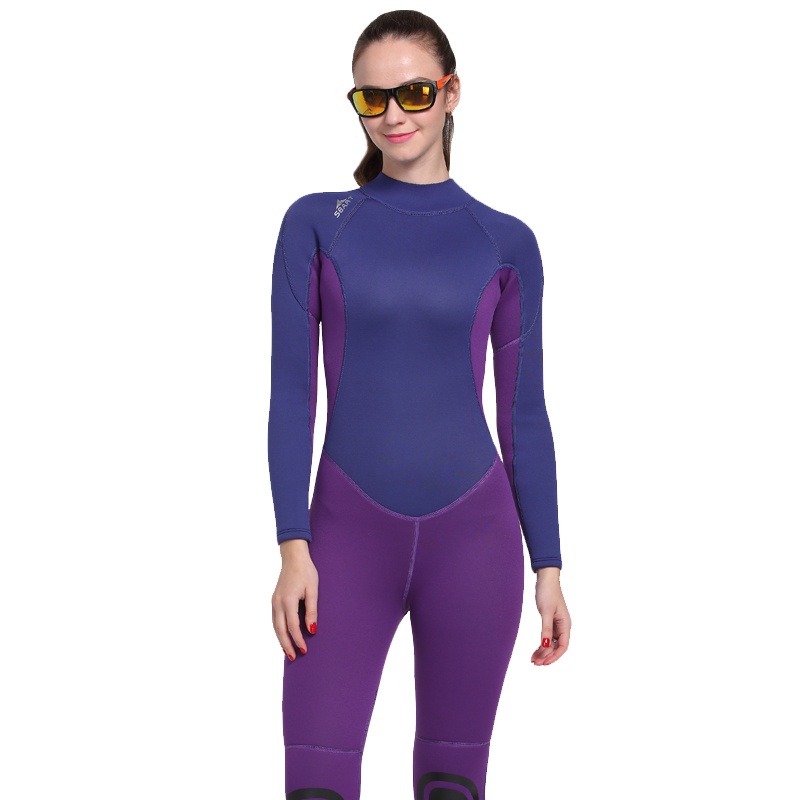
The watersports equipment market has never had more options — and never has it been harder to know which product type actually matches your customers' needs. A surf wetsuit and a dive wetsuit look similar but serve fundamentally different purposes. Mixing them up means either overheating your diver or leaving your surfer cold and stiff. This guide breaks down how to match the right product category to the right customer.
Wetsuit Categories and Who They're Designed For
The watersports market broadly uses four wetsuit category distinctions that matter for buyers making stocking decisions:
- Full wetsuits (3/2mm, 5/4mm): Designed for sustained immersion in cooler water. Primary use: scuba diving, cold-water surfing, kayaking in temperate climates.
- Spring suits / shorties: Provide core warmth with full arm and leg freedom. Designed for 10–20°C (50–68°F). Primary use: warm-water surfing, swimming, surface water sports.
- Dry suits: Waterproof membrane construction with sealing system. Works across all temperatures by adjusting undergarment weight. Primary use: commercial diving, cold-water kayaking, rescue operations.
- Surf-specific suits: Optimized for paddling motion and knee durability. Primary use: dedicated surfers in any water temperature.
For retailers: knowing which category your customer belongs to is the starting point for every conversation. SBART's product team can help you map your customer base to the right inventory mix.
Matching Product Specs to Activity Type
Wetsuit buyers make their biggest mistakes when they optimize for price or aesthetics rather than the specific activity requirements. Here's how the main activities compare:
- Recreational scuba / dive courses: Prioritize warmth and durability over flexibility. 5mm+ full suit in temperate waters; 3/2mm in tropical. GBS or liquid-taped seams.
- Surfing: Shoulder mobility is critical. Chest zip or zipless entry; reinforced kneepads; flexible neoprene throughout. 3/2mm or 4/3mm depending on water temp.
- Kayaking / paddle sports: Mix of surface time and immersion. Spring suits or lightweight full suits. Less demanding on flex than surfing.
- Free-diving / spearfishing: Requires maximum flexibility and compression fit. Open-cell interior for direct skin contact; smoothskin panels for hydrodynamics.
For the Used Wetsuits For Sale category specifically, SBART has mapped construction decisions to these activity requirements. Ask for the activity-matching guide when you inquire about Spring Wetsuit Mens products.
How Thickness Varies by Product Category
Thickness in wetsuits is always expressed as two numbers — for example, 3/2mm — where the first number is torso thickness and the second is limb thickness. The limb reduction preserves mobility without losing critical core warmth.
Standard thickness configurations:
2mm: Above 22°C — warm water swimming, summer surfing
3/2mm: 17–22°C — temperate spring/fall surfing, warm-water diving
4/3mm: 13–18°C — cool water, early/late season
5/4mm: 8–15°C — cold water, winter diving
7mm+: Below 10°C — commercial and technical diving
For the Used Wetsuits For Sale and Spring Wetsuit Mens category, the standard thickness range SBART recommends is detailed in our product sheets — these change based on the specific Scuba Diving Goggles configuration and the intended market climate.
Fit, Sizing, and Common Mistakes to Avoid
Fit is the most underestimated variable in wetsuit performance. A suit that looks correct in a size chart can still fail in the water if the cut doesn't match the wearer's body proportions — particularly around the shoulder, chest, and ankle openings.
The right fit: snug everywhere, no gaps when arms are raised, ankle and wrist openings tight enough to resist flush without being uncomfortable at rest. The suit should feel slightly restrictive when standing — this is normal. In the water, a proper fit allows the thin water layer between skin and neoprene to warm up and provide insulation.
SBART's size charts include body measurement guides and recommended fit tolerances for each product type. We recommend retailers physically check sample fit before committing to bulk inventory — particularly for new styles.
SBART's Custom Wetsuit Manufacturing Capabilities
SBART operates dedicated production lines for the full range of watersports wetsuit and accessories, including Used Wetsuits For Sale configurations, Spring Wetsuit Mens product types, and specialty constructions for technical diving and professional watersports applications.
Our OEM/ODM service covers the complete process: specification development, material sourcing, sample production, bulk manufacturing, quality inspection, and packaging. Every step is documented and traceable — we provide QC reports with every shipment, not just on request.
For brands and retailers serving U.S., UK, Australia, Canada markets: we have established logistics channels and experience with U.S., UK, Australia, Canada import requirements. Our account team can walk you through the documentation and compliance requirements for your specific market.
Contact SBART to discuss your watersports product requirements. Tell us the Wetsuit For Paddleboarding or Wind Surfing Equipment specifications you're looking for — or describe your target customer, and our team will recommend the right starting configuration.
Common Wetsuit Questions From Retailers and Brands
- What's the typical MOQ for custom wetsuit orders? SBART's standard MOQ starts at 50 pieces per color/size combination. We offer flexible arrangements for emerging brands testing new styles before committing to larger volumes.
- What thickness do I need for my customers' local waters? Use this as a starting point: 7mm for water below 13°C; 5mm for 13–17°C; 3/2mm for 17–22°C; 2mm above 22°C. SBART provides thickness specification sheets with every product for this reason.
- How long does a custom wetsuit production run take? From sample approval to delivery: typically 30–45 days for standard configurations; 45–60 days for fully custom specifications including unique patterns or materials.
- What seam construction should I specify for a quality product? Glued and blindstitched (GBS) is the standard for quality full suits. Liquid tape at seam junctions adds meaningful warmth in premium lines. Avoid flatlock seams in full suits intended for cooler water.