
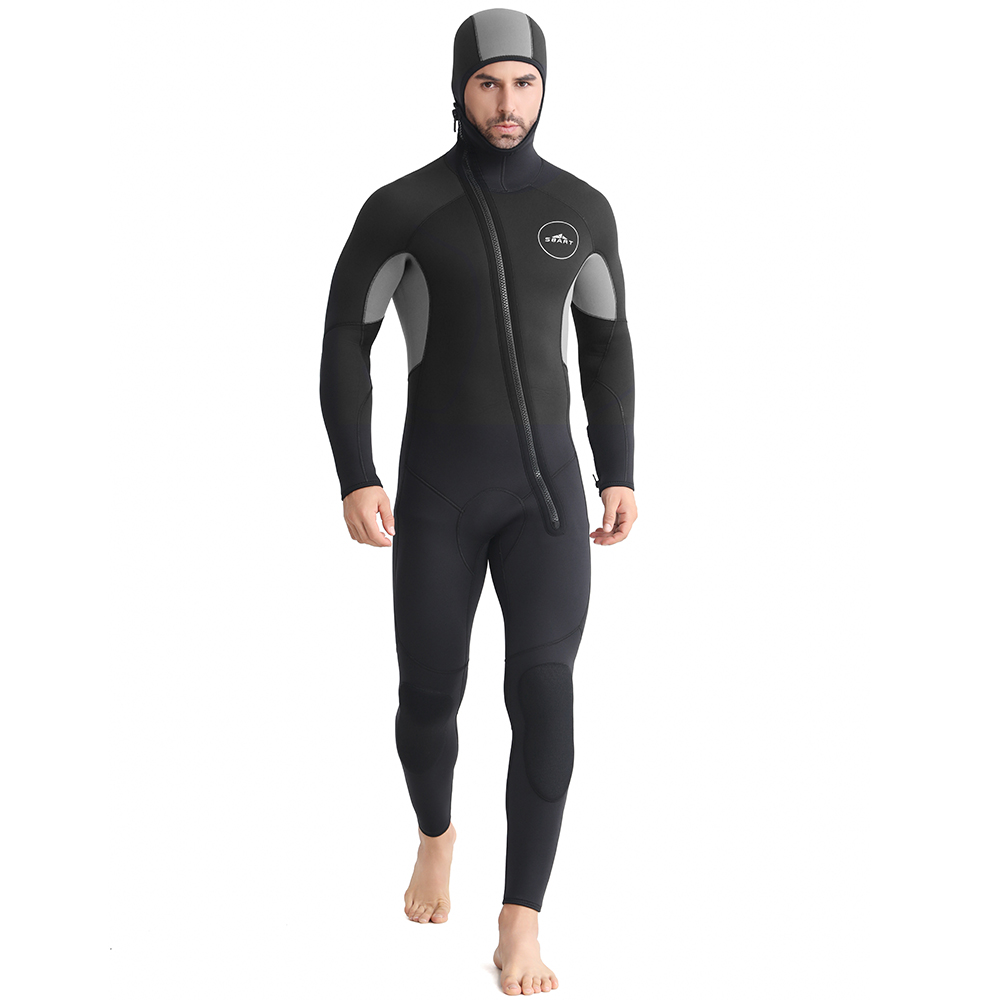
A wetsuit is more than just a piece of clothing for water sports enthusiasts—it’s an essential tool for keeping your body warm in cold water. But how exactly does a wetsuit work? Let's dive into the science behind it.
The Material: Neoprene
Wetsuits are typically made from neoprene, a synthetic rubber that provides insulation by trapping tiny air bubbles within the material. These bubbles create a barrier that helps to slow down the transfer of heat from your body to the cold water outside.
Neoprene is not only flexible and durable, but its insulating properties make it perfect for keeping you warm while still allowing for mobility in the water.
The Thin Layer of Water
One of the most important principles behind a wetsuit’s functionality is the thin layer of water it traps between the suit and your skin. When you first enter the water, your wetsuit allows a small amount of water to seep in. This layer of water is quickly warmed by your body heat, creating an insulating barrier that helps maintain your core temperature.
Contrary to popular belief, it's not the water itself that keeps you warm—it's the combination of neoprene and the warm water layer working together to reduce heat loss.
How Wetsuits Trap Heat
Wetsuits function by trapping body heat and preventing cold water from flushing through the suit. A snug fit is crucial to this process. If the wetsuit is too loose, cold water can continuously enter and exit the suit, making it ineffective at keeping you warm. Conversely, a well-fitted wetsuit keeps the warm water layer close to your skin and minimizes water movement inside the suit, maintaining a consistent level of insulation.
Wetsuit Thickness and Insulation
Wetsuits come in various thicknesses, typically measured in millimeters, such as 3mm, 5mm, or even 7mm for colder conditions. The thicker the wetsuit, the more insulation it provides. For example:
- 3mm wetsuits are ideal for warmer water conditions, where the water temperature ranges from 18°C to 25°C (64°F to 77°F).
- 5mm wetsuits offer more insulation and are suited for cooler waters between 10°C and 17°C (50°F to 63°F).
- 7mm wetsuits are designed for cold water diving or extreme conditions where the water temperature drops below 10°C (50°F).
The thickness of the neoprene in different areas of the wetsuit can vary. For example, a wetsuit might have a thicker core for better insulation around the body and thinner panels on the arms and legs to allow for greater mobility.
Wetsuits and Buoyancy
Another interesting aspect of wetsuits is how they affect buoyancy. The trapped air within the neoprene adds a small amount of buoyancy, making it easier to float in the water. This is particularly helpful for activities like scuba diving, surfing, or open water swimming, where buoyancy aids in performance.
Do Wetsuits Work in All Conditions?
While wetsuits are excellent for keeping you warm in cold water, they aren’t suitable for extreme cold or freezing temperatures. In very cold conditions, you may need to wear additional layers or switch to a drysuit, which provides full waterproof protection by sealing out water entirely.
Conclusion:
A wetsuit works by trapping a layer of water between your skin and the suit, which is then warmed by your body heat. Combined with the insulating properties of neoprene, this design helps slow down heat loss and keep you warm in cold waters. The effectiveness of a wetsuit depends on its thickness, fit, and material quality. Understanding how wetsuits work can help you make informed choices when selecting the right gear for your water adventures.