
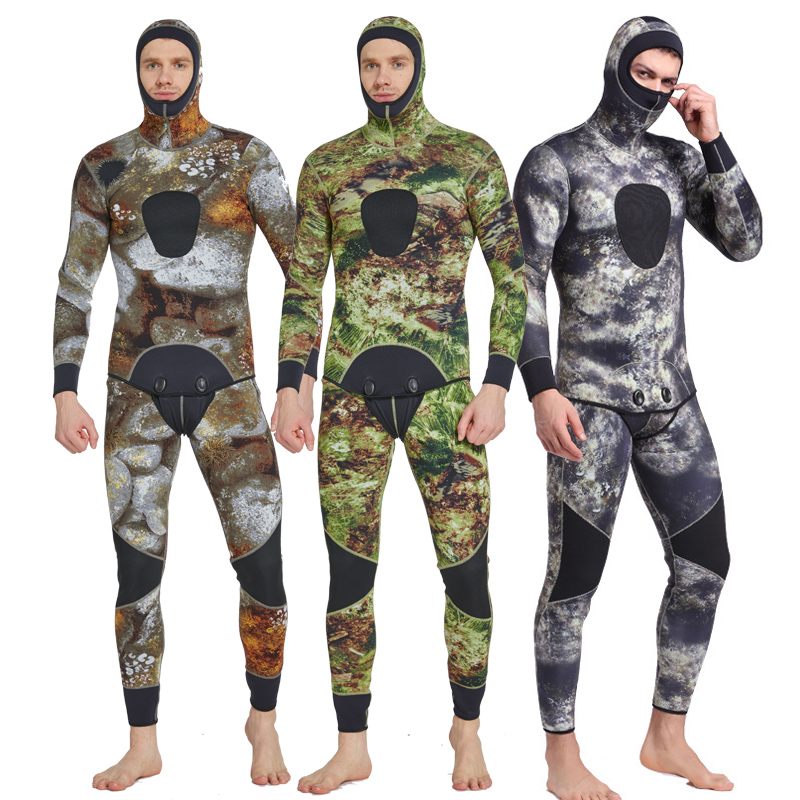
Wetsuits play a crucial role in keeping water sports enthusiasts warm, comfortable, and protected in various aquatic environments. But have you ever wondered what materials make up these essential pieces of gear? Understanding the science behind wetsuit materials can help you choose the right suit for your needs. Let’s delve into the most common materials used in wetsuit construction and their unique properties.
1. Neoprene: The Backbone of Wetsuits
Neoprene is the primary material used in wetsuits. This synthetic rubber is known for its excellent insulation properties and flexibility. The science behind neoprene lies in its closed-cell structure, which traps water and creates a thin layer of warmth around the body.
-
Insulation: Neoprene provides thermal insulation by reducing heat loss. The thickness of the neoprene (usually measured in millimeters) influences its insulation capability. Thicker neoprene offers more warmth, making it suitable for colder water conditions.
-
Flexibility: Advances in neoprene technology have led to the development of super-stretch neoprene, which offers enhanced flexibility and comfort. This is particularly beneficial for activities like surfing and diving, where a full range of motion is essential.
2. Limestone vs. Oil-Based Neoprene
Traditionally, wetsuits were made from oil-based neoprene. However, in recent years, limestone-based neoprene has gained popularity due to its environmental benefits.
-
Limestone Neoprene: This type is produced from natural limestone, resulting in a more sustainable product. It offers similar insulation and flexibility but with a lower environmental impact, as it reduces reliance on fossil fuels.
-
Oil-Based Neoprene: While effective, oil-based neoprene has a higher carbon footprint. As consumers become more environmentally conscious, brands are increasingly opting for limestone-based alternatives.
3. Seam Construction and Materials
The seams of a wetsuit are just as important as the material itself. There are several types of seam constructions that influence water entry and overall durability:
-
Flatlock Seams: These are sewn seams that lay flat against the skin, providing comfort but allowing some water to seep in. They are best for warmer waters.
-
Blind Stitch Seams: These seams are sewn without piercing through the neoprene, reducing water entry. They provide better insulation and are ideal for colder conditions.
-
Taped Seams: These seams are reinforced with tape on the inside, offering the highest level of waterproofing and insulation. Taped seams are often found in high-performance wetsuits for extreme conditions.
4. Lining Materials
Many wetsuits feature lining materials that enhance comfort and insulation. These can include:
-
Thermal Linings: Some wetsuits use thermal linings made from fleece or similar materials to provide additional warmth. This is especially useful in colder waters.
-
Quick-Dry Linings: These linings help the wetsuit dry faster after use, making it more convenient for repeated wear throughout the day.
5. Eco-Friendly Innovations
As sustainability becomes a priority in many industries, wetsuit manufacturers are exploring eco-friendly materials and processes. Innovations include:
-
Recycled Materials: Some brands are using recycled plastics and old wetsuits to create new products, reducing waste and environmental impact.
-
Natural Rubber: Eco-conscious brands are experimenting with natural rubber as an alternative to traditional neoprene, providing a biodegradable option for consumers.
Conclusion
Understanding the science behind wetsuit materials can significantly influence your choice when purchasing a wetsuit. Neoprene remains the backbone of wetsuit construction, but advancements in materials and technologies have made the market more diverse and sustainable. Whether you prioritize flexibility, insulation, or eco-friendliness, knowing what goes into your wetsuit can help you make a more informed decision.