
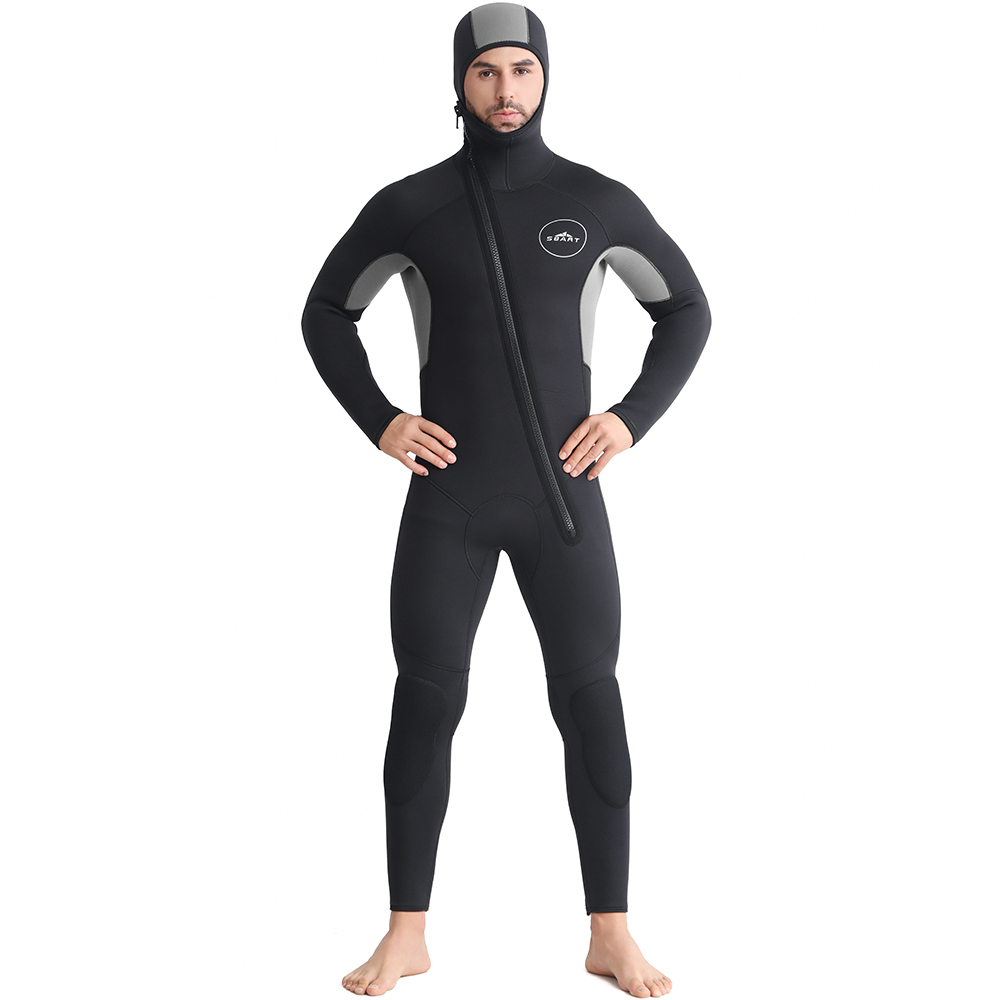
When it comes to choosing the right wetsuit, understanding the material can make all the difference in your comfort and performance during water sports or diving. SBR neoprene and SCR neoprene are two common materials used in wetsuit manufacturing, and while both have advantages, they cater to different needs. In this article, we'll break down the key differences between SBR and SCR neoprene, helping you make an informed decision for your next wetsuit.
1. What is SBR Neoprene?
SBR (Styrene Butadiene Rubber) is a synthetic rubber commonly used in budget-friendly wetsuits. While it doesn’t offer the same flexibility and durability as high-grade neoprene, it has its benefits:
- Cost-effective: SBR is generally more affordable, making it a popular choice for beginner divers or casual water sports enthusiasts.
- Basic insulation: It provides decent thermal insulation in mild water temperatures, making it suitable for recreational activities like swimming, snorkeling, or surfing.
- Less durable: SBR tends to be less resistant to wear and tear compared to other neoprene types, which means it may not last as long in rough conditions.
2. What is SCR Neoprene?
SCR (Styrene Chloroprene Rubber) is a mid-tier neoprene that offers a balance between cost, flexibility, and durability. It is often used in wetsuits for divers who need better performance than what SBR provides.
- Enhanced flexibility: SCR neoprene is more flexible than SBR, making it a better choice for activities that require a greater range of motion, like scuba diving and free diving.
- Improved durability: SCR neoprene wetsuits are more resistant to abrasion and UV damage, ensuring a longer lifespan, even with frequent use.
- Better insulation: While SCR may not match the insulation properties of high-end CR neoprene, it offers superior warmth compared to SBR, especially in cooler waters.
3. SBR vs SCR Neoprene: Key Differences
Now that we’ve covered the basics of each material, let’s compare them side-by-side:
| Features | SBR Neoprene | SCR Neoprene |
|---|---|---|
| Price | More affordable, ideal for budget-conscious buyers | Mid-range price, offering better performance |
| Flexibility | Limited flexibility, suitable for casual use | More flexible, ideal for active water sports |
| Durability | Less durable, prone to wear and tear | Longer-lasting, resistant to UV damage and abrasions |
| Insulation | Basic insulation, suitable for warmer waters | Better insulation, suitable for cooler waters |
| Best For | Beginners, occasional water sports | Intermediate divers, frequent water sports |
The key difference between SBR and SCR neoprene lies in performance and durability. If you are looking for an affordable wetsuit for occasional use, SBR neoprene wetsuits are a good option. However, for those who need better flexibility and a longer-lasting suit, SCR neoprene is the better choice.
4. Which Wetsuit is Best for You?
The choice between SBR and SCR neoprene largely depends on how frequently you engage in water sports and the environment you’re diving or surfing in. Let’s look at a few factors that can help guide your decision:
- Budget: If you are just starting out or don’t plan to use the wetsuit frequently, an SBR wetsuit is a more cost-effective choice.
- Water temperature: For warmer waters, SBR provides adequate insulation, but if you’re diving in cooler waters, the enhanced insulation of SCR neoprene will keep you comfortable.
- Activity level: Activities like surfing, scuba diving, or freediving require a wetsuit that moves with your body. SCR neoprene is better for flexibility and prolonged use, whereas SBR may restrict movement during extended dives.
- Durability needs: If you frequently engage in water sports or dive in harsh conditions, SCR neoprene's superior durability makes it a wise investment.
5. Long-Term Considerations: SBR vs SCR
While the upfront cost of an SBR wetsuit may be appealing, it’s important to consider the long-term benefits of investing in an SCR wetsuit. SCR’s better flexibility, insulation, and durability mean it will likely last longer, making it more cost-effective in the long run, especially for frequent divers and water sports enthusiasts.
Conclusion: Choose Based on Your Needs
Both SBR and SCR neoprene have their advantages, and the right choice depends on your specific needs. SBR is great for casual users and warm-water activities, while SCR is more suitable for frequent divers and colder waters. Whichever you choose, understanding the material’s properties will ensure you get the most out of your wetsuit and have a comfortable and enjoyable experience in the water.