
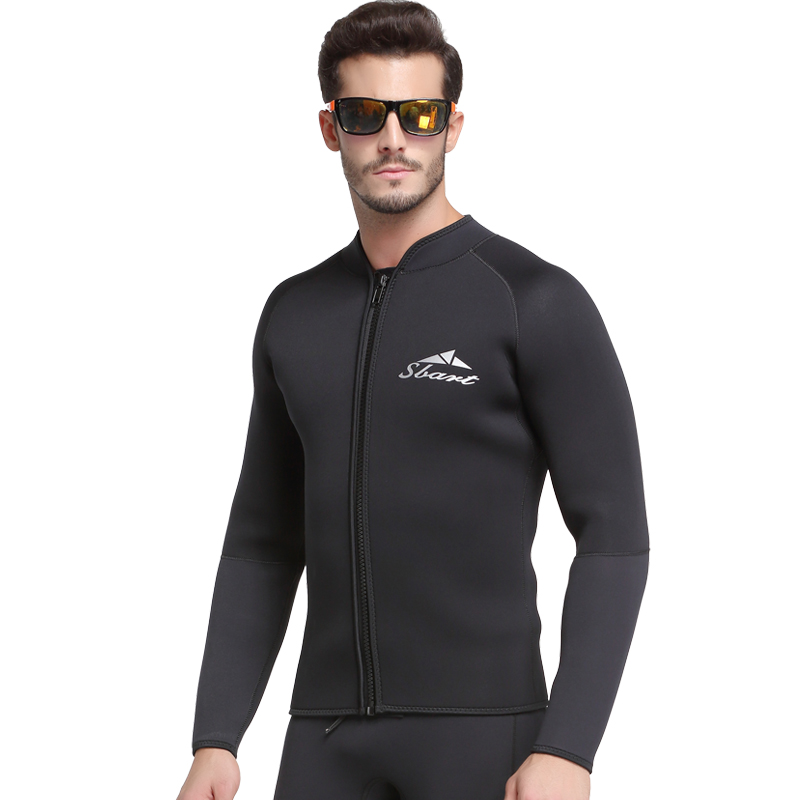
The performance of a wetsuit in terms of warmth and flexibility largely depends on the thickness of the neoprene. Different thicknesses are suited for varying water temperatures and activities. Generally, wetsuit thickness ranges from 2mm to 7mm, each offering different benefits.
2-3mm Thickness
Wetsuits with a 2-3mm thickness are ideal for warm water environments (20°C and above). They provide basic protection and are commonly used for tropical diving, surfing, or snorkeling. These wetsuits offer excellent flexibility and lightweight comfort, but may not provide adequate warmth in colder waters.
4-5mm Thickness
A 4-5mm wetsuit is suited for medium water temperatures (15°C-20°C), offering a balance of thermal insulation and flexibility. This thickness is a great option for temperate waters and is preferred by most recreational divers.
6-7mm Thickness
Wetsuits with a 6-7mm thickness are designed for cold water (10°C-15°C) and provide superior insulation. They are commonly used for cold water diving, technical diving, or ice diving. Although thicker suits compromise some flexibility, they are essential for maintaining body warmth in extreme environments.
How to Choose the Right Thickness
Buyers should choose wetsuit thickness based on water temperature and the nature of their diving activities. For tropical divers, a 2-3mm wetsuit is ideal, while cold water or deep divers may require a 6mm or thicker wetsuit. High flexibility is needed for more active sports, making thinner wetsuits a better option.