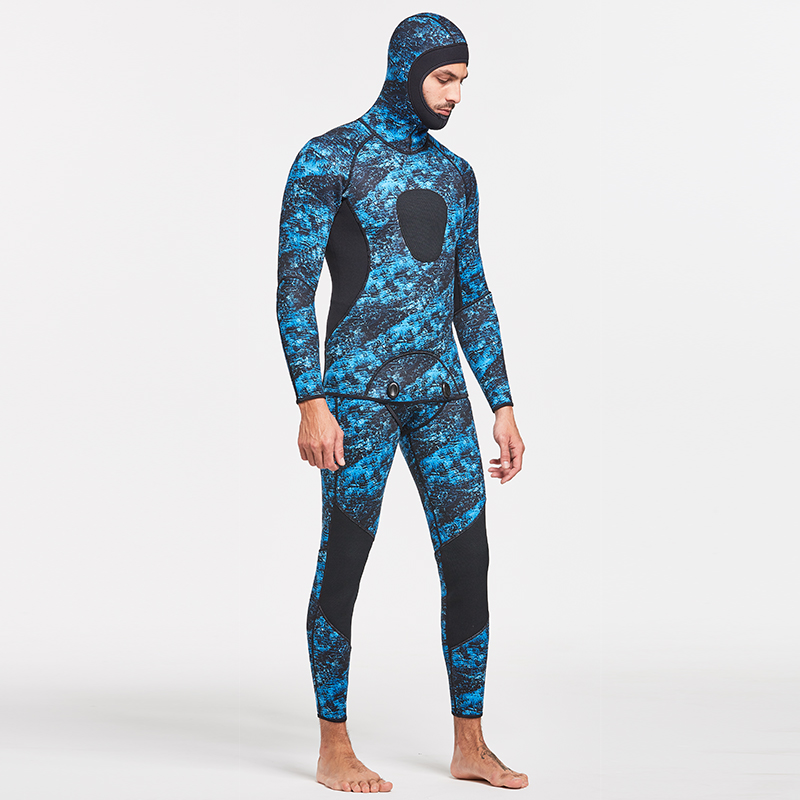
At SBART, we work directly with resorts, dive centers, and international brands to manufacture wetsuits and life jackets for demanding commercial use. From high-frequency rental programs to private-label retail collections, our role as a wetsuit manufacturer is to help B2B buyers balance durability, compliance, cost control, and delivery reliability.
This guide reflects real sourcing questions we receive from professional buyers. It explains how rental-grade wetsuits differ from OEM / private-label wetsuits, what technical details truly matter during procurement, and how SBART supports clients throughout sampling, production, and bulk delivery.
1. Understanding Product Positioning: Rental-Grade vs OEM Wetsuits
Rental-Grade Wetsuits
Rental-grade wetsuits are engineered for high-frequency use and repeated washing. Key priorities include:
-
Enhanced abrasion resistance
-
Reinforced seams and stress points
-
Easy maintenance and fast drying
-
Stable sizing after repeated wash cycles
Typical use cases:
-
Beach resorts and hotels
-
Dive schools and training centers
-
Watersports rental businesses
OEM / Private-Label Wetsuits
OEM wetsuits balance durability with brand differentiation and market positioning. In addition to reliable construction, they emphasize:
-
Custom colors and branding
-
Functional segmentation (thermal zones, mobility panels)
-
Premium finishes and accessories
Typical use cases:
-
Retail brands
-
Online and offline distributors
-
Professional or niche diving markets
2. Critical Technical Checkpoints for B2B Buyers
When requesting quotations or samples, professional buyers should always verify the following:
Fabric Specifications
-
Neoprene type and thickness (mm)
-
Chlorine and saltwater resistance
-
UV protection rating (UPF)
-
Optional sustainable or limestone-based alternatives
Sewing and Seam Technology
-
Flatlock vs blind stitch vs four-needle six-thread
-
Heat-taped or glued seams for waterproofing
-
Reinforcement at high-stress areas (crotch, knees, shoulders)
Zippers and Accessories
-
YKK or corrosion-resistant plastic zippers
-
Neck and cuff sealing structures
-
Reinforced zipper bases and pullers
Compliance and Quality Documentation
-
CE and relevant EN / ISO certifications (if applicable)
-
Chemical safety test reports (AZO-free, harmful substance compliance)
-
Factory QC process and inspection standards
Durability Testing
-
Wash-cycle simulation results
-
Shape retention and seam integrity after accelerated aging tests
3. Cost vs Performance: A Practical Decision Model
For bulk buyers, the goal is not the lowest unit price but the lowest long-term cost.
Scenario A: Lowest TCO for Rental Programs
-
Prioritize abrasion-resistant fabrics
-
Use reinforced stitching and seam taping
-
Minimize decorative elements
Result: Slightly higher unit cost but significantly reduced replacement and maintenance frequency.
Scenario B: Higher Margin for Branded Retail
-
Maintain core durability standards
-
Invest in printing, foil stamping, or custom trims
-
Optimize design for shelf and online presentation
Result: Higher resale value and stronger brand recognition.
4. Recommended Supply Chain Terms for Bulk Orders
To reduce procurement risk, buyers should clearly define the following in purchase agreements:
-
MOQ and price tiers
-
Production lead time (including fabric preparation)
-
Quality warranty and acceptance criteria
-
Inspection method (AQL or sampling ratio)
-
Compensation or replacement terms for defects or delays
For long-term partners, price adjustment mechanisms linked to material cost indexes can also be negotiated.
5. Application Example: Resort Rental Program
A coastal resort purchasing 200 sets of rental-grade wetsuits selected 3mm abrasion-resistant neoprene combined with reinforced seam construction. Although the initial unit cost was higher, the replacement rate dropped by approximately 40% over two seasons, significantly lowering overall operating expenses.
This type of data-driven decision-making is essential for professional rental programs.
6. Buyer Action Checklist
Before placing a bulk order, B2B buyers should:
-
Prepare a standardized RFP with technical requirements
-
Request close-up photos or videos of seam construction
-
Conduct sample testing before mass production
-
Define inspection and acceptance criteria in writing
-
Evaluate supplier responsiveness and after-sales support
Conclusion
From our experience as a wetsuit manufacturer and OEM supplier, successful B2B sourcing depends on more than price comparison. Buyers who clearly define technical standards, inspection criteria, and long-term usage scenarios consistently achieve lower total cost of ownership and stronger market performance.
Whether you are operating a rental program or building a private-label wetsuit line, SBART supports your project with controlled materials, proven construction methods, transparent QC procedures, and responsive production planning.