
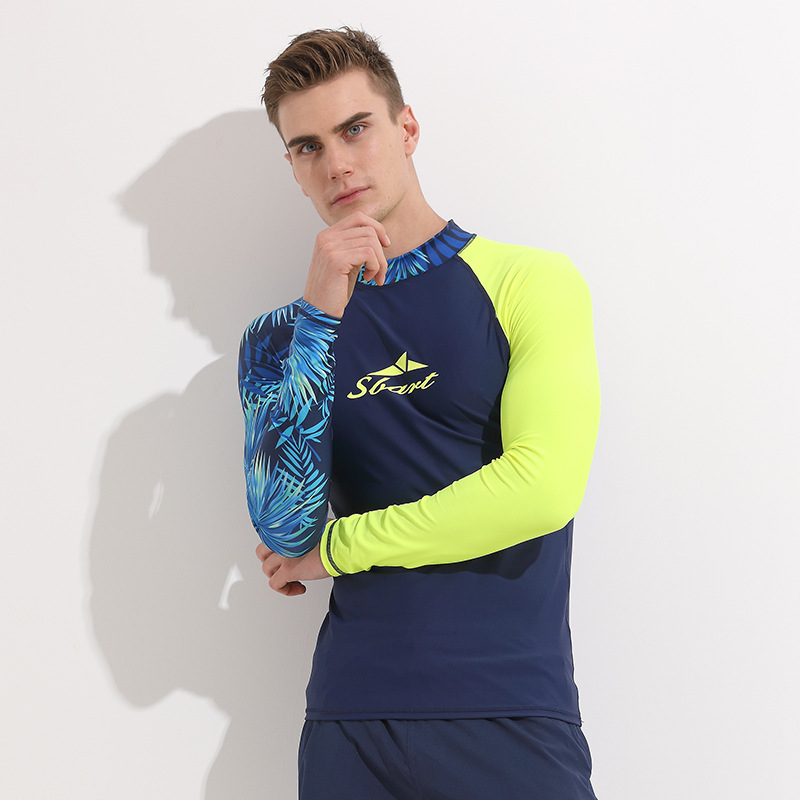
Rash guards, originally designed to prevent skin irritation from surfboards, have evolved into a versatile piece of water sports gear. From surfing to swimming, they offer essential protection against UV rays, abrasions, and environmental elements. However, the effectiveness of a rash guard depends largely on its fabric, printing techniques, and sewing methods. In this blog, we will explore how these factors impact the performance and durability of rash guards, helping you make the right choice whether you’re a manufacturer, retailer, or water sports enthusiast.
1. The Role of Rash Guards
Rash guards provide multiple functions in both water and land-based sports:
- UV Protection: Many rash guards are rated UPF 50+, blocking harmful UV rays from the sun and reducing the risk of sunburn.
- Abrasion Protection: Worn under wetsuits or alone, they protect the skin from irritations caused by friction, sand, and rough surfaces.
- Thermal Insulation: While not as thick as wetsuits, rash guards offer a thin layer of warmth in cooler water.
- Moisture Management: The quick-drying nature of these garments keeps athletes comfortable by wicking away moisture and drying rapidly after leaving the water.
2. Fabric Choices for Rash Guards
Choosing the right fabric is crucial for the performance of a rash guard. The material must be durable, stretchy, and offer protection against the elements. Here are the most commonly used fabrics:
a) Polyester-Spandex Blend:
This is one of the most popular fabric choices for rash guards. Polyester is lightweight, durable, and resistant to UV rays, while spandex provides the necessary stretch and flexibility for unrestricted movement.
- Advantages: Quick-drying, durable, and resistant to chlorine and UV rays, making it ideal for frequent use in both saltwater and pools.
- Disadvantages: Polyester-spandex can lose elasticity over time, especially when exposed to harsh environmental conditions.
b) Nylon-Spandex Blend:
This blend is also widely used in rash guards, offering similar properties to polyester-spandex but with a softer touch. Nylon provides excellent strength and abrasion resistance.
- Advantages: Highly durable, smooth to the touch, and offers a snug fit. Great for active water sports where flexibility is key.
- Disadvantages: Nylon can be more prone to retaining water compared to polyester, leading to a slightly slower drying time.
c) Recycled Fabrics:
With sustainability on the rise, some manufacturers are using recycled polyester or nylon blends, offering eco-friendly options without compromising performance.
- Advantages: Environmentally friendly, with similar durability and UV protection as non-recycled counterparts.
- Disadvantages: Can be more expensive and may not have the same longevity in extreme conditions as virgin fibers.
3. Printing Techniques for Rash Guards
The printing process on rash guards is not just about aesthetics but also affects the longevity and durability of the product. The following printing methods are commonly used:
a) Sublimation Printing:
This is the most common technique for printing on rash guards. In sublimation, heat is used to transfer dye directly into the fabric, ensuring vibrant and long-lasting colors that won't crack or peel.
- Advantages: The colors are embedded into the fabric, ensuring they remain vibrant even after repeated use in water. Ideal for all-over prints and designs that need to be fade-resistant.
- Disadvantages: Sublimation works best on lighter fabrics, so it’s less effective for dark-colored base materials.
b) Screen Printing:
Screen printing involves applying ink to the fabric through a mesh screen. While less commonly used on rash guards due to the high-stretch nature of the fabric, it is still an option for logos or smaller, detailed designs.
- Advantages: Screen printing offers excellent vibrancy and allows for more precise color placement.
- Disadvantages: The print can crack or peel over time, especially with the continuous stretching and movement involved in water sports.
c) Heat Transfer:
This technique uses heat to press vinyl or film designs onto the fabric. While more commonly used for simple logos or names, it provides a cost-effective solution for customization.
- Advantages: Great for small runs or personalized items.
- Disadvantages: Heat transfer prints are less durable than sublimation, and the applied layer may peel over time or with exposure to saltwater and UV rays.
4. Sewing Methods for Rash Guards
The construction of rash guards plays a critical role in their comfort, durability, and performance. The most common sewing techniques used for rash guards include:
a) Flatlock Stitching:
Flatlock stitching is the most common method used in high-performance rash guards. This technique involves overlapping fabric pieces and stitching them together, creating flat seams that don’t rub against the skin.
- Advantages: Flat seams reduce chafing and irritation, making it the preferred choice for water sports. The stitching is strong and durable, ideal for frequent use.
- Disadvantages: Slightly heavier than other stitching methods, which can add weight to the garment.
b) Overlock Stitching:
Overlock stitching is used to sew the edges of fabric pieces together. This method creates strong seams that resist unraveling.
- Advantages: Lightweight and flexible, overlock seams allow for greater stretch, making them suitable for flexible and tight-fitting rash guards.
- Disadvantages: The seams can be slightly raised, causing some discomfort in high-friction areas if not carefully placed.
c) Blind Stitching:
This method is commonly used in high-end rash guards and involves stitching that is almost invisible from the outside.
- Advantages: Provides a clean, smooth look and is less likely to cause irritation.
- Disadvantages: More expensive and time-consuming to produce, making it less common in mass-market rash guards.
Conclusion
Rash guards have become essential for protecting the skin during water sports, and choosing the right product requires an understanding of fabric choices, printing techniques, and sewing methods. Polyester and nylon blends remain the top fabric choices, while sublimation printing ensures vibrant, long-lasting designs. Sewing techniques like flatlock and overlock ensure durability and comfort, allowing rash guards to endure the harsh conditions of water sports.
By selecting high-quality materials and production methods, you can ensure that your rash guard not only looks great but also provides the protection and comfort you need for every adventure.