
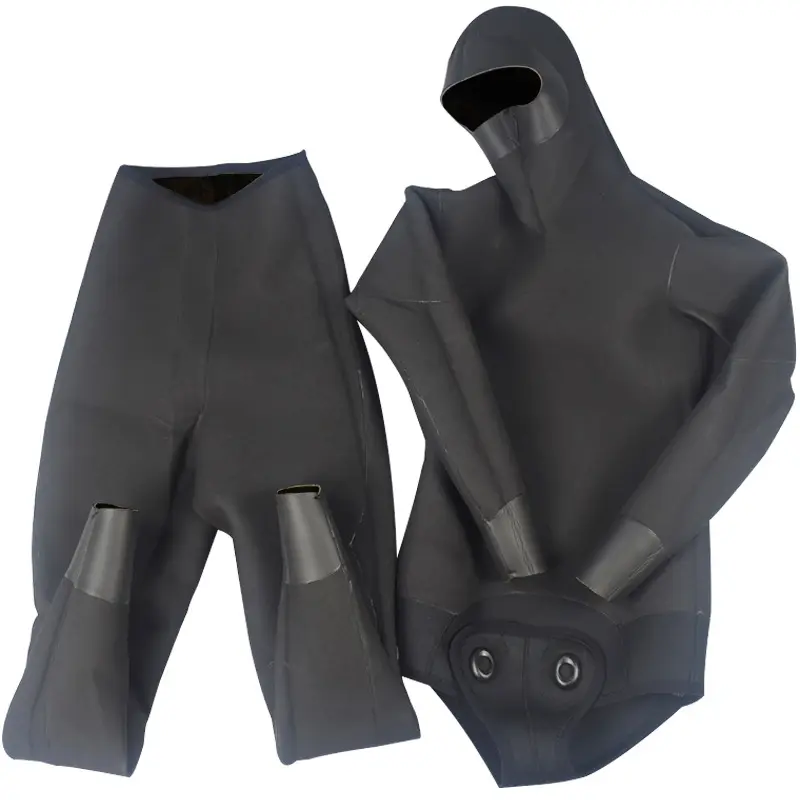
1. Overview of OPEN CELL
OPEN CELL refers to an open-cell structure material used in wetsuits. This structure is similar to a sponge, with open cell walls that are soft and elastic, allowing the wetsuit to conform closely to the body. When in contact with the skin, OPEN CELL wetsuits create a tight water layer, helping to keep divers warm.
Advantages:
- Superior Softness and Comfort: OPEN CELL material is soft and flexible, conforming perfectly to the body and minimizing water movement, which enhances thermal insulation.
- Excellent Thermal Insulation: The open-cell structure allows the material to cling to the skin, forming a water film that retains warmth effectively.
- High Flexibility: The softness of the material provides greater freedom of movement underwater, with minimal restriction.
Disadvantages:
- Prone to Damage: Due to its softer texture, OPEN CELL wetsuits are more susceptible to wear and tear from abrasions and improper handling.
- Maintenance Challenges: The open-cell structure absorbs water easily, requiring careful cleaning and drying to prevent bacteria growth and material degradation.
2. Overview of CLOSED CELL
CLOSED CELL wetsuits are made from a closed-cell structure material, which resembles tiny air bubbles with sealed walls. This prevents water from entering, keeping the wetsuit dry and well-insulated.
Advantages:
- High Durability: The closed-cell structure makes the material more robust and resistant to external damage, providing a longer lifespan.
- Good Thermal Performance: Although not as thermally efficient as OPEN CELL, CLOSED CELL wetsuits effectively block water ingress, maintaining dryness and warmth.
- Easy to Maintain: Since the material does not absorb water, CLOSED CELL wetsuits are easier to clean, dry, and maintain, simplifying regular upkeep.
Disadvantages:
- Reduced Comfort: The stiffer material does not conform to the body as snugly as OPEN CELL, potentially impacting overall comfort.
- Lower Flexibility: The rigid structure can restrict movement, making the wetsuit feel more confining compared to softer alternatives.
3. How to Choose the Right Wetsuit Material?
Choosing the right wetsuit material depends on diving conditions, depth, personal needs, and budget:
- Prioritize Comfort and Thermal Insulation: If comfort and warmth are your top priorities, especially in complex diving environments, OPEN CELL wetsuits are the superior choice.
- Focus on Durability and Easy Maintenance: If you frequently dive in harsh environments and need a wetsuit that withstands wear and tear, CLOSED CELL wetsuits are ideal.
- Consider Your Budget: Generally, OPEN CELL wetsuits are more expensive but offer superior comfort and insulation. CLOSED CELL wetsuits are more budget-friendly, suitable for entry-level divers.
Conclusion
OPEN CELL and CLOSED CELL wetsuits each have unique characteristics. The choice depends on balancing their advantages and disadvantages according to your needs. OPEN CELL wetsuits are praised for their comfort and thermal efficiency, while CLOSED CELL wetsuits are valued for their durability and ease of maintenance. Understanding these material differences helps divers select the most suitable gear, enhancing comfort and safety during underwater adventures.