
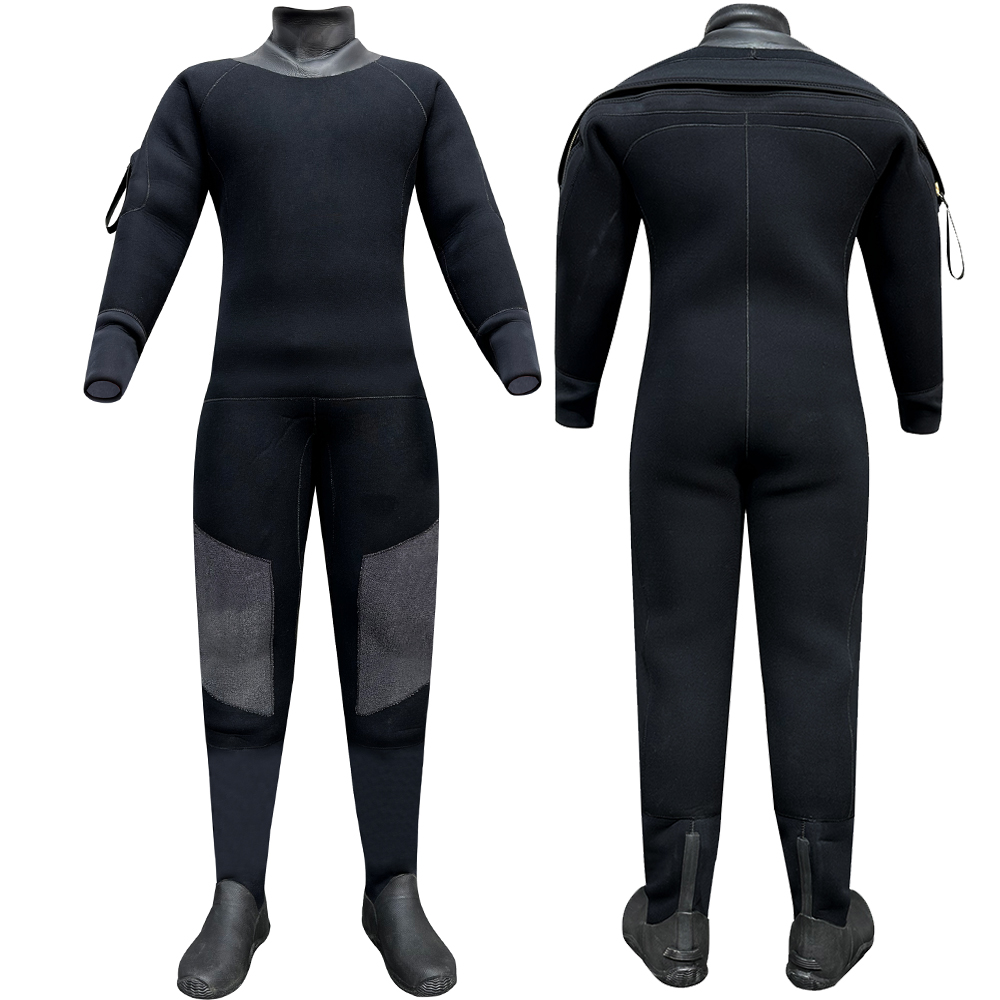
For divers who venture into cold or deep waters, the right thermal protection is crucial for safety, comfort, and performance. While wet suits are suitable for warm to moderate waters, dry suits are the go-to option for cold water diving. Unlike wet suits, which allow water in, dry suits form a watertight barrier, keeping the diver completely dry and warm through additional layers of insulation. In this blog, we’ll take a deep dive into how dry suits work, their essential features, and why they’re indispensable for cold water and technical diving.
1. How Do Dry Suits Work?
Dry suits are designed to keep the diver dry by sealing water out entirely. They feature watertight seals around the neck, wrists, and ankles, preventing water from entering the suit. Unlike wet suits, which rely on the diver’s body heat to warm trapped water inside the suit, dry suits ensure that the diver stays completely dry.
To provide warmth, dry suits rely on insulating undergarments worn beneath the suit. These layers can be adjusted based on water temperature, offering versatility for diving in extremely cold environments. Additionally, dry suits come equipped with valves that allow the diver to add or release air, adjusting buoyancy and ensuring comfort during the dive.
2. Key Features of Dry Suits
Watertight Seals:
The key to dry suits' effectiveness is their watertight seals. Made from materials like neoprene, latex, or silicone, these seals ensure that no water enters the suit, keeping the diver dry throughout the dive.
Insulating Layers:
Unlike wet suits, dry suits don’t provide direct thermal insulation. Instead, divers wear insulating undergarments underneath, which trap air to maintain warmth. This layer can be adjusted based on the environment, allowing for customizable warmth depending on dive conditions.
Buoyancy Control:
Dry suits are equipped with inflation and deflation valves, allowing divers to control the amount of air inside the suit. This air provides not only thermal insulation but also buoyancy control, helping divers maintain neutral buoyancy at different depths.
Durability:
Dry suits are made from heavy-duty materials like vulcanized rubber, crushed neoprene, or nylon trilaminate. These materials provide durability in extreme environments, offering resistance to tears, pressure, and abrasions that are common in technical and cold-water dives.
3. Why Dry Suits Are Essential for Cold Water Diving
Superior Thermal Protection:
In cold waters, hypothermia is a serious concern, especially during long or deep dives. Dry suits are designed to provide insulation without allowing water to penetrate. By keeping the diver dry and allowing for the use of various thermal layers, dry suits ensure divers remain warm even in freezing waters.
Better for Long and Deep Dives:
When diving in deep waters, neoprene wetsuits lose their insulating properties as the pressure compresses the neoprene material. Dry suits, however, maintain their insulation and warmth at greater depths, making them ideal for technical or deep dives.
Versatility in Cold Water Sports:
While dry suits are primarily used in diving, they are also popular in other cold water sports, such as kayaking, paddleboarding, and sailing. Their watertight properties and insulating layers make them suitable for surface activities in cold climates, ensuring comfort during long exposure to cold water or air.
4. When to Choose a Dry Suit Over a Wet Suit
Choosing between a dry suit and a wet suit depends largely on the water temperature, depth, and duration of your dive. Here’s a quick comparison:
- Water Temperature Below 15°C (59°F): If you’re diving in cold waters, dry suits are the clear winner, offering superior protection and warmth.
- Extended Dive Duration: For long dives, especially in colder waters, dry suits maintain warmth far better than wet suits, which lose efficiency as water temperature drops.
- Technical or Deep Dives: Dry suits perform better in deep-water conditions due to their insulation and buoyancy control, which isn’t affected by the compression experienced by wet suits.
- Surface Sports in Cold Weather: If you’re involved in surface water sports like sailing, where exposure to wind and cold water is a concern, a dry suit offers better protection and comfort than a wet suit.
Conclusion
Dry suits are an essential investment for any diver planning to explore cold water or engage in deep, technical dives. Their watertight design, insulation capabilities, and versatility make them superior to wet suits in extreme conditions. Whether you’re a professional diver, a technical diver, or an outdoor enthusiast involved in cold water sports, a dry suit ensures that you stay warm, comfortable, and safe. By choosing the right dry suit and layering system, you can enjoy your underwater adventures regardless of the temperature.