
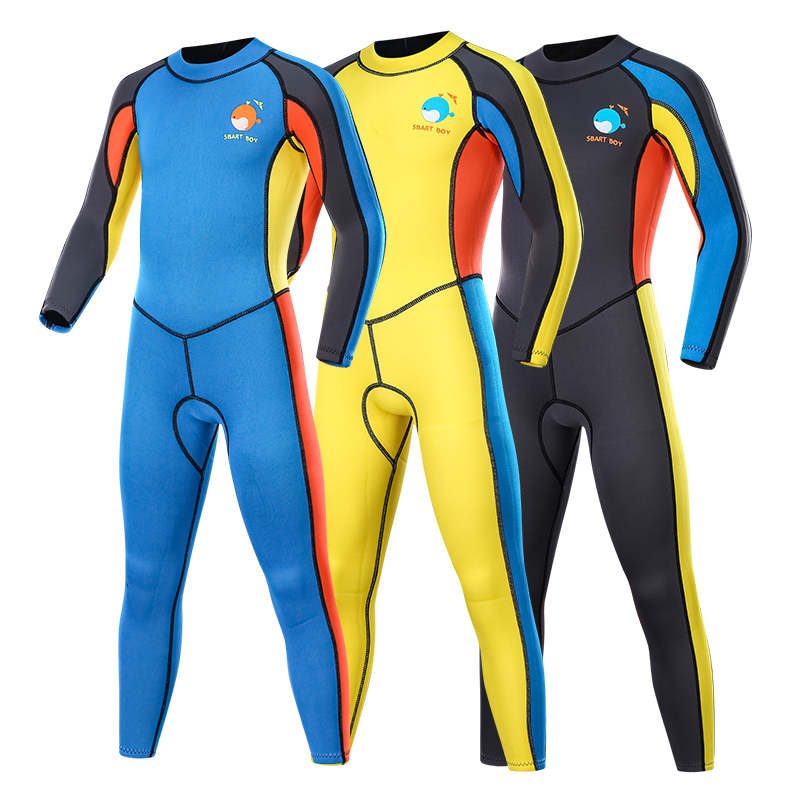
For B2B businesses in the water sports industry, selecting the right kids wetsuit for your clients is crucial. A properly chosen wetsuit ensures comfort, safety, and durability, while also meeting parents’ and kids’ expectations. In this guide, we will cover the essential factors to consider when offering kids wetsuits, from materials and thickness to design and safety standards.
1. Understanding the Purpose of Kids Wetsuits
Kids wetsuits serve multiple purposes in swimming, surfing, and other water activities:
-
Thermal insulation: Children are more sensitive to cold water, so a wetsuit’s primary function is to maintain body warmth.
-
Protection: A wetsuit protects the skin from sunburn, jellyfish stings, abrasions, and minor impacts.
-
Comfort and mobility: Kids need flexible wetsuits that allow them to swim, paddle, or surf without restriction.
For B2B sellers, emphasizing these functional benefits helps you position your products as high-quality, practical, and safe.
2. Material Matters: Neoprene Quality
Neoprene is the standard material for kids wetsuits. The quality of neoprene directly affects warmth, flexibility, and durability:
-
Standard Neoprene: Affordable, offers decent thermal insulation but may be less flexible. Suitable for casual use.
-
High-Stretch Neoprene: Provides better flexibility for surfing and active swimming, allowing kids to move freely.
-
Laminated Neoprene with Nylon or Polyester: Enhances durability and abrasion resistance. Ideal for surf schools or rental businesses.
For B2B clients, offering multiple material options allows you to cater to both budget-conscious and premium customers.
3. Thickness: Choosing the Right Wetsuit for Water Temperature
Neoprene thickness is essential for comfort and safety:
-
2–3mm: Best for warm water or summer activities. Provides flexibility with light thermal protection.
-
4–5mm: Suitable for cooler waters or year-round activities in temperate regions.
-
Full vs Shorty: Full-length wetsuits provide more warmth and protection, while shorty wetsuits offer flexibility and are easier to wear.
Recommending thickness based on regional water temperatures is a valuable service B2B clients appreciate.
4. Design Considerations for Kids
-
Zipper type: Back zipper wetsuits are easier for parents to put on, while front zippers can enhance flexibility.
-
Seams: Flatlock seams are comfortable for warm waters; blind-stitch or glued seams provide better thermal insulation in colder environments.
-
Fit: Kids grow quickly, so adjustable or slightly looser fits may prolong usability.
-
Color and style: Bright colors enhance visibility in water, which is important for safety and appealing to parents.
Highlighting these design elements in product listings or catalogs helps your clients make informed purchasing decisions.
5. Safety Standards and Certifications
B2B buyers often look for products meeting international safety standards. For kids wetsuits, consider:
-
CE Certification: Confirms product compliance with European safety standards.
-
EN ISO Standards: Indicates quality in thermal insulation and material safety.
-
Material safety compliance: Ensures no harmful chemicals like excessive phthalates are present.
Certifications not only protect children but also enhance buyer confidence in your brand.
6. Sizing and Growth Considerations
Proper sizing is critical:
-
Offer detailed size charts with height, weight, and age ranges.
-
Consider adjustable wetsuits with stretch panels or extendable cuffs.
-
Recommend sizing up slightly if clients expect kids to grow during the season.
This information is vital for B2B distributors who sell to surf schools, summer camps, or retail outlets.
7. Durability and Maintenance
-
Durability: Reinforced knee pads, double-stitched seams, and abrasion-resistant panels extend the product lifecycle.
-
Maintenance tips: Educate buyers about rinsing with fresh water, proper drying, and storing away from sunlight.
-
Providing care instructions adds value for your clients and helps reduce returns or complaints.
8. B2B Selling Tips for Kids Wetsuits
-
Bundle options: Offer full packages including shorty, full-length, and accessories.
-
OEM / Custom options: Many surf schools and camps prefer branded wetsuits. Provide logo printing or private-label options.
-
Volume discounts: Encourage bulk orders for summer programs, schools, or rental businesses.
-
Marketing support: Provide product images, videos, and descriptions that clients can use in their own sales channels.
By offering these additional services, you position your brand as a reliable B2B partner.
Conclusion
Choosing the right kids wetsuit involves balancing thermal protection, flexibility, durability, safety, and design. B2B clients rely on suppliers who understand these factors and can offer both quality products and advisory support. By focusing on material quality, proper sizing, compliance with safety standards, and value-added services like customization, you can strengthen your position in the competitive water sports market.