
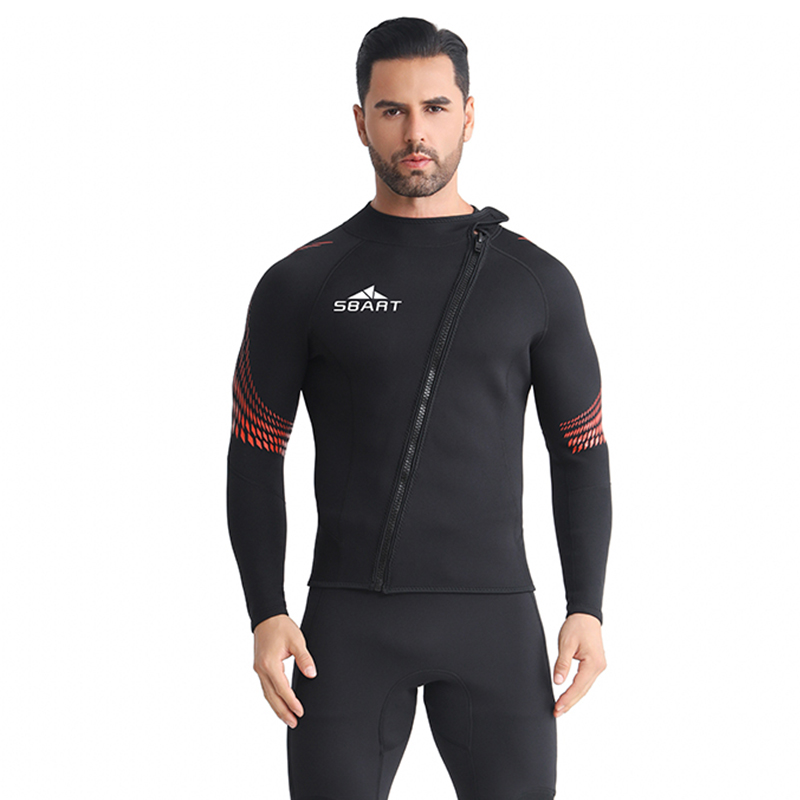
When it comes to manufacturing high-performance wetsuits, the type of neoprene used plays a crucial role in determining the quality, durability, and comfort. The three main types of neoprene commonly used in wetsuits are SBR (Styrene Butadiene Rubber), SCR (Styrene Chloroprene Rubber), and CR (Chloroprene Rubber). Each of these materials has its own distinct characteristics, offering advantages and disadvantages depending on the intended use and target market. In this blog, we will explore these materials in detail, so you can make an informed choice when selecting the best option for your wetsuit needs.
1. SBR (Styrene Butadiene Rubber)
Advantages:
- Cost-Effective: SBR is the most affordable type of neoprene, making it a popular choice for entry-level wetsuits.
- Basic Durability: It offers decent resistance to wear and tear for casual use, particularly in mild water conditions.
- Flexibility: SBR provides satisfactory flexibility, ensuring ease of movement in water-based activities like swimming and snorkeling.
Disadvantages:
- Lower Insulation: SBR is less effective at retaining heat compared to other neoprene types, limiting its use in cold water environments.
- Less Resistant to Chemicals: It has a lower resistance to chemicals, oil, and ozone exposure, which can lead to quicker degradation.
- Shorter Lifespan: SBR wetsuits typically have a shorter lifespan, especially when used in demanding or extreme environments.
2. SCR (Styrene Chloroprene Rubber)
Advantages:
- Balanced Performance: SCR is a mid-tier option, blending the benefits of both SBR and CR neoprene. It is more durable and has better thermal insulation than SBR.
- Cost-Effective Alternative to CR: For manufacturers seeking a compromise between price and performance, SCR offers a cost-effective solution while providing enhanced durability and flexibility compared to SBR.
- Moderate Chemical Resistance: It offers better chemical resistance than SBR, making it suitable for moderate exposure to harsh elements.
Disadvantages:
- Moderate Thermal Insulation: While SCR is more insulating than SBR, it still falls short of the superior heat retention capabilities of CR.
- Durability vs. CR: SCR lacks the extreme durability of CR, especially when exposed to long-term use in demanding environments such as deep-sea diving.
3. CR (Chloroprene Rubber)
Advantages:
- Superior Insulation: CR, commonly known as standard neoprene, offers excellent heat retention, making it the preferred material for wetsuits used in cold water.
- High Durability: CR wetsuits are known for their long-lasting durability and resistance to wear, tear, and harsh environmental conditions, such as saltwater and UV exposure.
- Chemical and Ozone Resistance: CR offers superior resistance to chemicals, oils, and ozone, extending the lifespan of the wetsuit.
- Enhanced Flexibility: This type of neoprene provides exceptional flexibility, enhancing comfort and range of motion during diving, surfing, and other water sports.
Disadvantages:
- Higher Cost: CR is the most expensive of the three neoprene types due to its premium performance characteristics. This can be a deterrent for entry-level or budget-conscious consumers.
- Overkill for Casual Use: For casual users or those engaging in mild water activities, the enhanced properties of CR may be unnecessary, making it an overinvestment.
Conclusion
The choice between SBR, SCR, and CR neoprene ultimately depends on the specific needs of your target audience and the conditions in which the wetsuits will be used. For businesses targeting cost-conscious customers or beginners, SBR offers an affordable solution. SCR strikes a balance between cost and performance, making it ideal for mid-tier wetsuits. CR, on the other hand, is the go-to material for professional-grade wetsuits that prioritize performance, durability, and insulation in challenging environments.
By understanding these materials' strengths and limitations, you can better align your product offerings with your customers' needs, helping to drive more conversions and brand loyalty.