
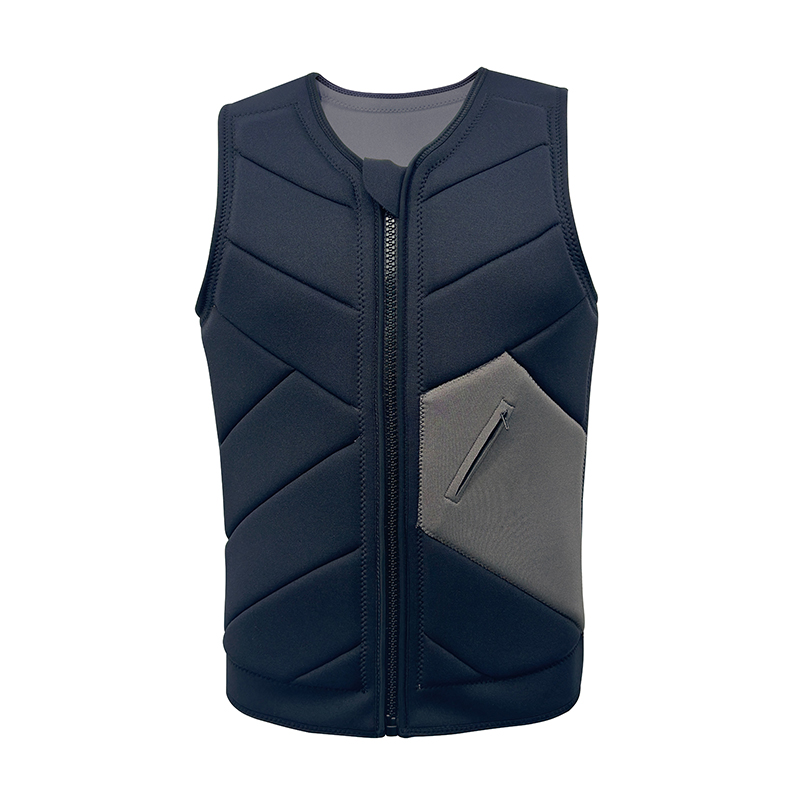
1. Understand the Different Types of Life Jackets
Life jackets are designed with specific activities in mind, and choosing the right one depends on your intended use. Here are some common types:
-
Type I: Offshore Life Jackets
Best for rough, open water where rescue might take longer. They provide the highest buoyancy and are suitable for offshore boating, sailing, and commercial marine activities. -
Type II: Near-Shore Buoyant Vests
Designed for calm water activities where quick rescue is possible. Ideal for kayaking, canoeing, and fishing in calm waters. -
Type III: Flotation Aids
These are best for active water sports like water skiing, wakeboarding, and paddleboarding. They provide moderate buoyancy and comfort for extended wear. -
Type IV: Throwable Devices
Examples include ring buoys and cushion-type devices. They are not meant to be worn but can be thrown to someone in distress. -
Type V: Special Use Devices
These are designed for specific activities like waterskiing, jet skiing, or paddleboarding. Type V life jackets are typically more specialized but must be worn for them to be effective.
2. Choose the Right Size
A properly fitting life jacket is crucial for safety and comfort. An ill-fitting life jacket can either restrict movement or fail to provide adequate buoyancy.
- Check the weight range: Life jackets come in size categories based on weight. Make sure the life jacket is appropriate for your body weight.
- Snug fit: The life jacket should fit snugly but comfortably. You should be able to move your arms freely without the jacket riding up over your head.
- Proper adjustments: Many life jackets feature adjustable straps to ensure a secure fit. Make sure to adjust all straps for a tight fit, particularly around the chest, shoulders, and waist.
3. Consider the Material and Buoyancy
The material of the life jacket affects both its comfort and durability. Most life jackets are made from either foam or inflatable materials:
-
Foam-filled life jackets: These provide consistent buoyancy and are less prone to wear and tear. They are generally more durable and don't require inflation.
-
Inflatable life jackets: These are more compact and comfortable but rely on inflation. They are often preferred by active users, as they provide more freedom of movement, but they should be used with caution as they may deflate under extreme pressure.
Consider the level of buoyancy (measured in pounds). For calm waters, a buoyancy of 15-22 pounds may be sufficient, while open waters or activities like boating may require 22-35 pounds of buoyancy.
4. Evaluate Comfort and Features
Comfort is key, especially if you plan to wear the life jacket for long periods. Look for life jackets with these features:
- Ventilation: A life jacket with mesh panels or breathable materials will keep you cooler during warmer weather.
- Adjustable straps and buckles: These allow for a custom fit.
- Pockets: Some life jackets come with pockets for carrying small items like a whistle or fishing gear.
- Reflective strips: These increase visibility, particularly in low-light conditions or at night.
- Collar and head support: For added safety, some life jackets feature a collar or head support to keep your head above water, especially useful in Type I life jackets.
5. Safety Standards and Certification
Ensure that the life jacket is approved by safety organizations. For example:
- U.S. Coast Guard (USCG): Life jackets that meet the USCG standards are tested for safety and buoyancy. Look for the USCG label on the jacket to ensure it meets safety standards.
- European Union (CE): Life jackets sold in the EU should meet CE standards for buoyancy and safety.
6. Activity-Specific Considerations
Different water activities require specific features in a life jacket. Here’s a breakdown:
-
Kayaking and Canoeing: Look for a life jacket that allows freedom of movement, especially around the arms and chest. Many kayakers prefer Type III or Type V life jackets, which are lighter and more flexible.
-
Fishing: Choose a life jacket with pockets and attachment points for your fishing gear. Many fishing life jackets are Type III and include extra storage.
-
Boating and Sailing: Type I or Type II life jackets offer maximum buoyancy and are designed for long periods in the water.
-
Water Sports (Wakeboarding, Waterskiing): Type III or Type V life jackets provide good support without limiting your movement.
7. Testing the Fit
Once you've chosen a life jacket, it’s important to test the fit before heading out on the water. Here’s how to do it:
- Try it on: Wear the life jacket and tighten all straps.
- Check buoyancy: Stand in water or simulate a situation where you might fall in. The life jacket should keep your head above water. If it rides up over your chin or face, it’s too big. If it doesn't support your head properly, it’s too small.
- Move around: Ensure you can move freely, especially your arms, as some activities may require a lot of motion.
8. Regular Maintenance and Care
To ensure your life jacket works when you need it most, regular maintenance is essential:
- Rinse with fresh water after every use, especially if you've been in saltwater.
- Check for damage: Look for any signs of wear and tear, such as cracks or rips.
- Store properly: Keep your life jacket in a cool, dry place away from direct sunlight, as UV rays can degrade the materials.
Conclusion
Choosing the right life jacket is a crucial step in ensuring your safety during water activities. By understanding the different types, selecting the right size, considering comfort features, and ensuring proper care, you can enjoy your water adventures with confidence. Always remember, a life jacket is only effective if worn correctly and chosen based on the specific activity you’ll be doing. Stay safe and have fun!