
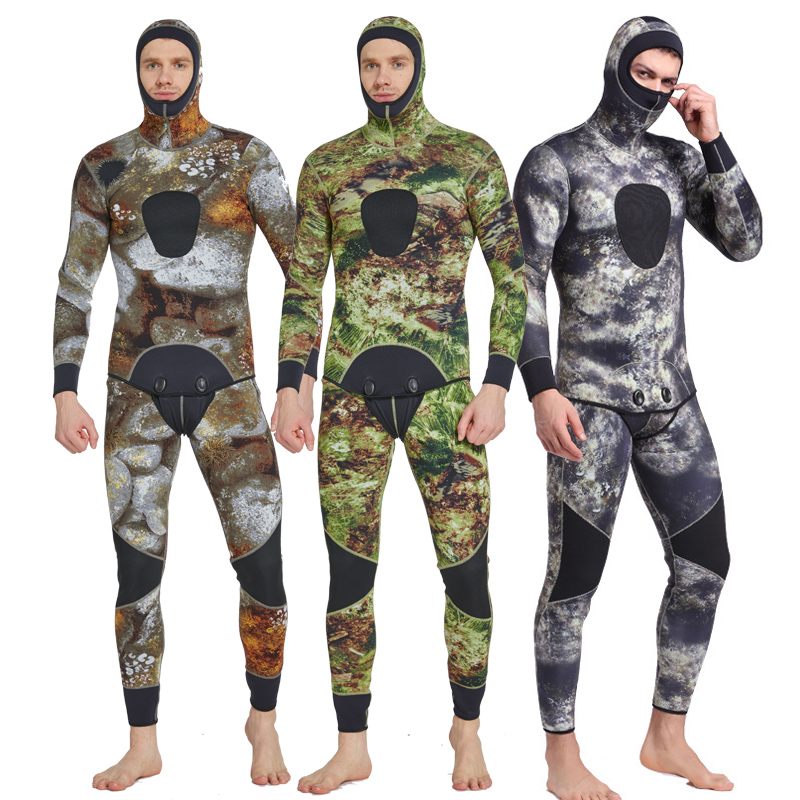
What Are the Benefits of Wearing a Free Diving Suit?
As a free diver, having the right equipment is crucial to enhance your diving experience and ensure your safety underwater. One essential piece of gear that every free diver should invest in is a high-quality diving suit. In this ultimate guide, we'll explore the numerous benefits of wearing a free diving suit and provide you with everything you need to know to choose the perfect one for your diving adventures.
What is a Free Diving Suit?
Before diving into the benefits, let's first understand what a free diving suit is. A free diving suit is a specially designed suit worn by divers to provide thermal protection, buoyancy control, and safety while underwater. These suits come in various types, including full suits, two-piece suits, and shorty suits, each catering to different diving conditions and personal preferences.
Benefits of Wearing a Free Diving Suit
Wearing a free diving suit offers a range of benefits that greatly enhance your diving experience. Let's delve into some of the key advantages:
1. Thermal Protection
One of the most significant benefits of wearing a free diving suit is the thermal protection it provides in cold water environments. The suit acts as insulation against the frigid temperatures, keeping your body warm and comfortable. It helps prevent hypothermia and allows you to enjoy longer dives without compromising your safety.
Additionally, free diving suits also retain body heat, which proves beneficial during descents into deeper and colder waters, maintaining your core temperature and minimizing the risk of thermal shocks.
2. Buoyancy Control
A free diving suit aids in buoyancy control, allowing you to stay in control underwater while conserving energy. The suit's material adds buoyancy, providing better hydrodynamics and streamlining your body movements. This enhanced hydrodynamics enables you to maneuver effortlessly through the water, providing better speed and reducing drag. It also helps you achieve neutral buoyancy more easily, allowing for optimal balance and precision during dives.
The improved buoyancy control not only enhances your overall diving performance but also increases efficiency, allowing you to explore and admire the marine environment for longer durations.
3. Safety and Protection
Free diving suits offer an added layer of safety and protection while diving. The suit's material acts as a barrier against cuts, scrapes, and potential abrasions underwater. It shields your skin from sharp rocks, reefs, and marine elements that may pose a threat during dives.
Furthermore, free diving suits also provide protection against jellyfish stings. The suit's snug fit and coverage prevent jellyfish tentacles from contacting your skin, reducing the risk of painful stings and potential allergic reactions.
Factors to Consider When Choosing a Free Diving Suit
Now that we understand the benefits of a free diving suit, let's explore the key factors to consider when choosing the perfect suit:
1. Material
Free diving suits are predominantly made of neoprene, a synthetic rubber that offers excellent insulation and flexibility. However, it's essential to consider the thickness and quality of the neoprene used in the suit to ensure optimum performance. Other materials like Lycra and Yamamoto rubber are also used in specific types of free diving suits, offering unique advantages.
2. Thickness and Insulation
The thickness of the suit directly impacts its insulation properties and suitability for different water temperatures. Thicker suits provide better insulation and are suitable for colder water conditions, while thinner suits are more appropriate for warmer waters. Consider the dive locations and water temperatures you'll typically encounter to choose the appropriate thickness and insulation level for your dives.
3. Fit and Comfort
When selecting a free diving suit, it's crucial to find a proper fit that offers both comfort and functionality. Ensure that the suit fits snugly against your body to minimize water exchange, thus maximizing thermal protection. The suit should allow flexibility and freedom of movement, enabling you to perform a full range of motion without restrictions.
Using a Free Diving Suit for Different Diving Conditions
Free diving suits can be optimized based on the specific diving conditions you'll be encountering. Here are some recommendations:
1. Warm Water Diving
For warm water diving, a thinner suit with minimal insulation is suitable. Consider Lycra or thinner neoprene suits that offer excellent comfort and flexibility without overheating your body in warmer temperatures.
2. Cold Water Diving
In colder water conditions, opt for thicker neoprene suits with higher insulation levels. These suits will help you maintain your body's warmth and offer protection against the cold temperatures, enabling longer and more comfortable dives.
3. Deep Diving
When diving deeper, consider compression factors. Compression neoprene suits help counteract the effects of high water pressure, providing better comfort and flexibility during deep dives.
Maintenance and Care of Free Diving Suits
Proper maintenance and care of your free diving suit will ensure its longevity and optimal performance:
1. Cleaning and Rinsing
After each use, rinse your suit thoroughly with freshwater to remove salt, sand, and other debris. Add a mild detergent and gently hand wash the suit, making sure to remove any dirt or residue. Rinse it again and let it air dry in a shaded area, away from direct sunlight.
2. Avoiding Sunlight and Harsh Chemicals
Avoid exposing your suit to direct sunlight for prolonged periods, as it can cause the neoprene material to degrade. Additionally, avoid contact with harsh chemicals or solvents that can damage the suit's integrity and performance.
3. Proper Storage
Store your free diving suit in a cool, dry place, away from extreme temperatures and direct sunlight. Keep it away from sharp objects that may puncture or damage the material. Folding the suit rather than hanging it will help prevent creases that could weaken the neoprene over time.
Conclusion
Wearing a free diving suit offers numerous benefits that greatly enhance your diving experience, ensuring thermal protection, buoyancy control, and safety underwater. Consider the material, insulation, fit, and comfort when choosing the perfect suit for your diving adventures. By selecting a high-quality suit and properly maintaining it, you'll be well-equipped for memorable and enjoyable free diving experiences.
Additional Resources
For more information and a selection of recommended free diving suit brands and retailers, check out the following resources: