
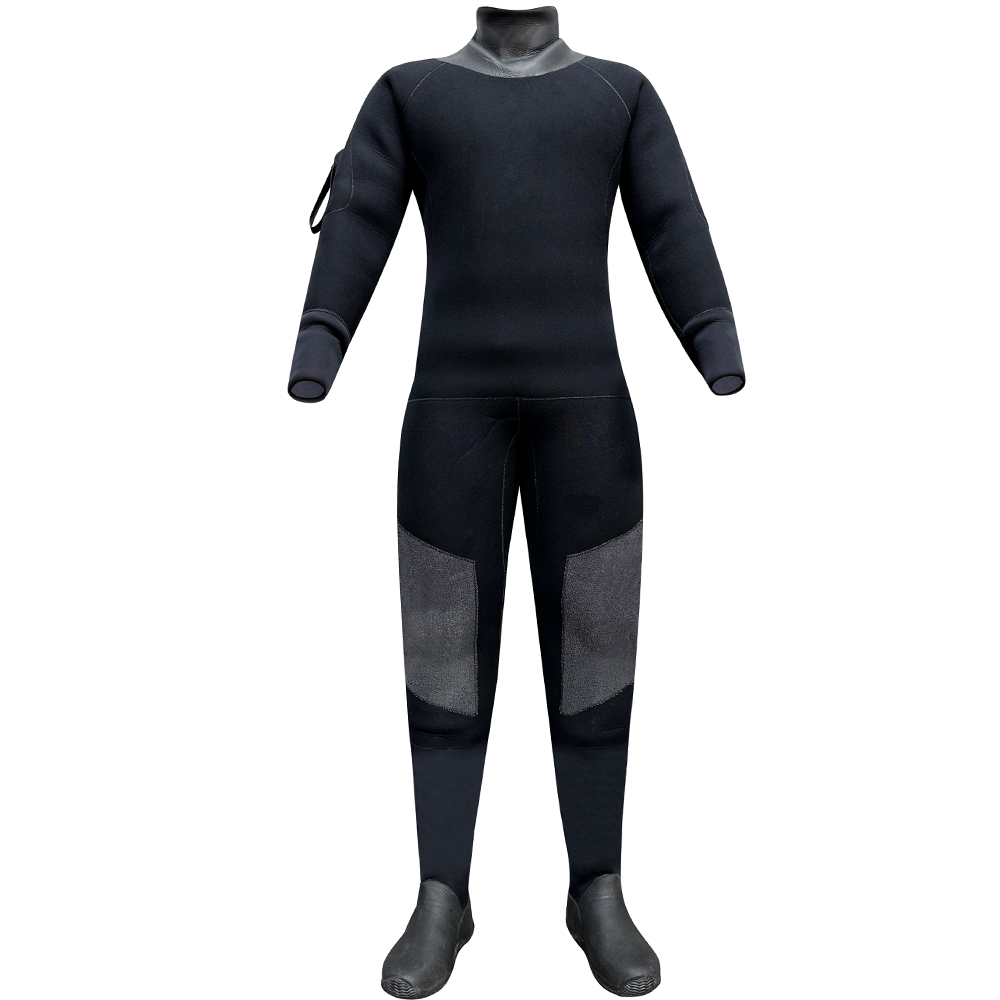
For divers, selecting the right wetsuit is critical for both comfort and safety underwater. Two primary types of suits are available: wet suits and dry suits. While both offer thermal protection, their functions, materials, and ideal usage scenarios vary significantly. In this blog, we will explore the key differences between wet and dry wetsuits and highlight the best conditions and environments for each.
1. Wet Wetsuits: Overview and Usage
A wet wetsuit is designed to allow a thin layer of water to enter the suit, which is then warmed by the diver’s body heat. Made from neoprene, these suits provide insulation while remaining flexible.
Key Characteristics:
- Water Entry: Wet wetsuits let water in, trapping a small amount between the skin and the suit.
- Thermal Insulation: The body warms the trapped water, creating a layer of insulation that helps maintain body temperature in cool to moderately cold water.
- Thickness: Wet wetsuits come in various thicknesses, typically ranging from 3mm to 7mm, depending on the water temperature and diving depth.
- Flexibility: Due to their thinner materials and close fit, wet suits offer excellent flexibility, making them ideal for recreational diving, surfing, and snorkeling.
Ideal Usage Scenarios:
- Warm to Moderate Water: Wet suits are most effective in water temperatures ranging from 15°C to 25°C (59°F to 77°F). They provide enough warmth for short to medium-duration dives in these conditions.
- Shallow to Moderate Depth Diving: These suits are suitable for recreational and shallow-water diving, as the neoprene material compresses at greater depths, reducing its thermal efficiency.
- Surface Water Sports: Wet wetsuits are widely used for surface water sports like surfing, wakeboarding, and windsurfing, where flexibility and quick entry/exit are prioritized.
2. Dry Wetsuits: Overview and Usage
In contrast, dry wetsuits are designed to keep the diver completely dry by forming a watertight seal around the neck, wrists, and ankles. Dry suits are commonly used in colder environments and are equipped with insulating layers beneath the suit.
Key Characteristics:
- Waterproof Design: Dry suits are completely waterproof, preventing any water from entering. The diver stays dry, relying on insulating layers (like thermal undersuits) to stay warm.
- Thermal Insulation: Dry suits are better suited for cold or icy water conditions, where maintaining body heat is crucial. The thickness of the thermal layers worn underneath can be adjusted based on water temperature.
- Buoyancy Control: Dry suits allow for buoyancy adjustments through air valves, which can inflate or deflate the suit. This provides better control, especially in deep or technical diving.
- Durability: Dry suits are often made from durable materials like vulcanized rubber or heavy-duty nylon, making them highly resistant to wear and tear in extreme conditions.
Ideal Usage Scenarios:
- Cold Water Diving: Dry suits are essential for diving in water temperatures below 15°C (59°F), particularly in environments like Arctic or Antarctic expeditions, where exposure to cold can lead to hypothermia.
- Deep or Long-Duration Dives: For divers exploring deep waters or conducting extended underwater operations, dry suits offer superior thermal protection and buoyancy control.
- Technical and Cave Diving: Dry suits are often preferred for technical diving, including cave, wreck, or ice diving, where colder temperatures and more complex conditions require better insulation and durability.
- Cold Surface Activities: Dry suits are also used in cold-weather surface sports like kayaking, paddleboarding, or sailing, where prolonged exposure to wind and cold water requires additional thermal protection.
3. Choosing Between Wet and Dry Wetsuits
When choosing between a wet or dry wetsuit, consider the following factors:
- Water Temperature: Wet suits are best for warmer waters, while dry suits excel in colder conditions.
- Diving Depth and Duration: For shallow, short dives, a wet suit will suffice. However, for deep or long-duration dives, a dry suit is the safer and more comfortable option.
- Activity Type: For active surface sports where mobility is critical, wet suits are the preferred choice due to their flexibility. For more technical or cold-environment diving, dry suits provide the necessary insulation and protection.
Conclusion
Understanding the key differences between wet and dry wetsuits helps divers make an informed decision based on their needs and environment. Wet wetsuits offer flexibility and warmth in moderate temperatures, making them perfect for recreational diving and water sports. Dry suits, on the other hand, offer unparalleled protection in cold waters, making them essential for deep, technical, and long-duration dives. By choosing the right suit for the occasion, divers can ensure a safe, comfortable, and enjoyable underwater experience.